OpenAI merges ChatGPT and Codex into one usage pool in December. Your agent runs on your chat budget now
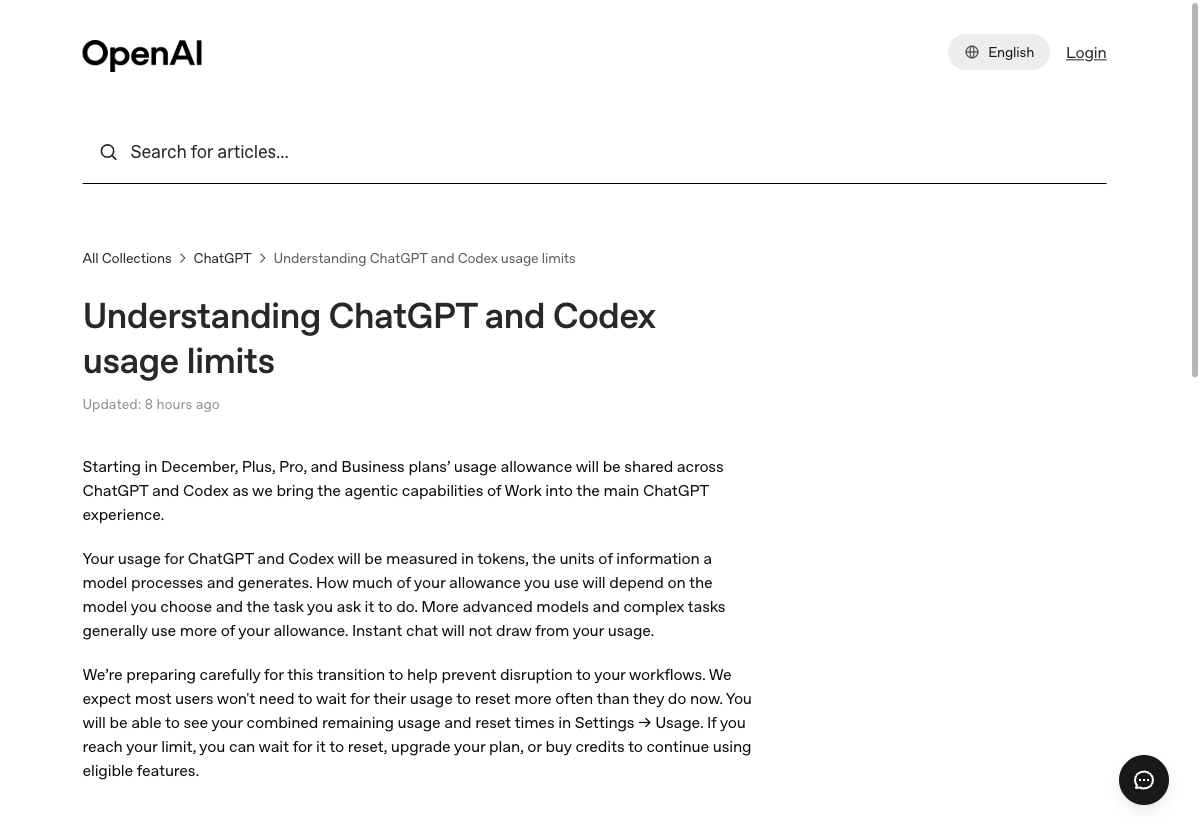
OpenAI said Plus, Pro, and Business plans will share one token-based usage allowance across ChatGPT and Codex starting in December.
The decision it puts on your desk
Record your team's current usage before December 1, then re-price seats once OpenAI publishes the numbers. Open Settings, then Usage, screenshot the reset pattern you live on today, and decide whether you buy credits or move heavy agent work to a lighter model when the single pool lands.
OpenAI told subscribers this weekend that ChatGPT and Codex will share a single usage allowance starting in December, measured in tokens.
"Plus, Pro, and Business plans' usage allowance will be shared across ChatGPT and Codex," OpenAI said in a help center article that carried an update stamp of hours old.
The change is tied to a product move. The agent features that lived in ChatGPT Work are being folded into the main ChatGPT experience. One agent running across two surfaces makes two separate meters hard to defend.
What the meter actually counts
A token is the unit a model reads and generates, so the meter now prices by work rather than by message. OpenAI said plainly that "more advanced models and complex tasks generally use more of your allowance."
One carve-out survives: Instant chat will not draw from usage at all. Casual questions stay unmetered, while agent runs and reasoning-heavy sessions compete for the same tank.
The company also said it expects most users will not need to wait for resets more often than they do now. No per-plan token numbers appeared anywhere in the article.
That expectation probably holds for chat-first accounts, and it reads as untested for teams running agents all day.
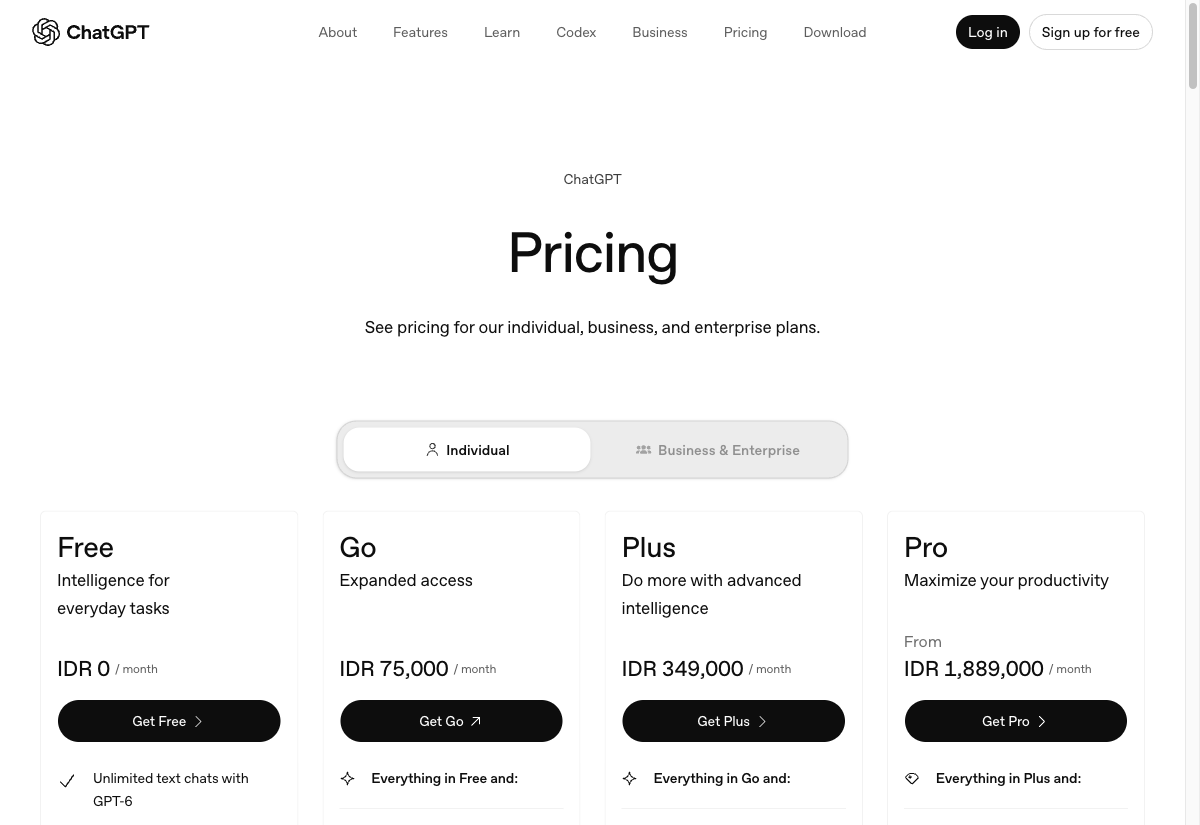
That gap is the migration cost. A team that buys seats expecting predictable access gets one pool per seat, with no published number to budget against, and credits as the overflow for eligible features only.
The churn this replaces
Tibo Sottiaux, Codex lead at OpenAI, has run this loop in public all year. The rolling five-hour limit came off in July, returned in a different form later that month alongside GPT-5.6 Sol, and came back for Plus accounts on August 25 while Pro tiers stayed exempt.
A September outage then forced a promised reset of paid limits, in a week when paid weekly top-ups had already been paused.
Each of those moves changed the size of the bucket. The December change swaps the bucket itself, which makes the economics clearer and the tightening quieter at the same time.
Anthropic walked the same road in October, renaming its top Max tier to Ultra, dropping the five-hour limit for verified accounts, and keeping a weekly cap with API (application programming interface) credits for overflow. Both labs now sell what amounts to a weekly compute allowance with a meter inside it.
I read the help article twice hunting for the numbers and found none, which I think is the whole story for teams: the unit of account is changing before the price of it is public.
I get the sense the Codex-heavy builder is the exposed position here. Long agent runs and reasoning-heavy chat now draw from one pool, and a routine that used to stretch a separate Codex meter has to compete with everything else the account does.
The unresolved edge sits in the fine print nobody has published: whether the five-hour window, the weekly cap, or both survive inside the combined system, and whether Enterprise, Edu, and Free plans follow.
Source
← Previous
OpenAI cut $10 billion from its raise and $150 billion from its valuation. Twelve days, one repriced round
Next →
Musk said the cost of running Grok Bot outran its revenue. The weekly caps came with no numbers
The Morning Recap
We sift the day. You make the calls.
The decision on every story, in your inbox before your first call.