OpenAI cut $10 billion from its raise and $150 billion from its valuation. Twelve days, one repriced round
OpenAI reduced its funding round target by $10 billion to about $20 billion at a $1.25 trillion valuation, down from $30 billion at $1.4 trillion last month.
The decision it puts on your desk
Re-price your own raise this week against a market that just cut its largest AI round by a third. If your deck still quotes multiples from September, rewrite them before your next investor meeting, because $1.25 trillion is now the reference every private AI investor will open with.
OpenAI cut the target for its current funding round by $10 billion, to about $20 billion, the Financial Times reported Friday and CNBC confirmed on Saturday.
The valuation came down with it. The round now seeks a post-money valuation of $1.25 trillion, down from the $1.4 trillion reported twelve days ago. That earlier round targeted $30 billion, and TAIS covered its sprint to close.
"The funding round is still in progress and has not closed, so the figures are subject to change," a person directly familiar with the deal said.
That person's caution covers the direction as well as the size. The FT reported a Friday deadline for investor commitments. The first close is expected to raise less than $20 billion after some investors reduced their allocations.
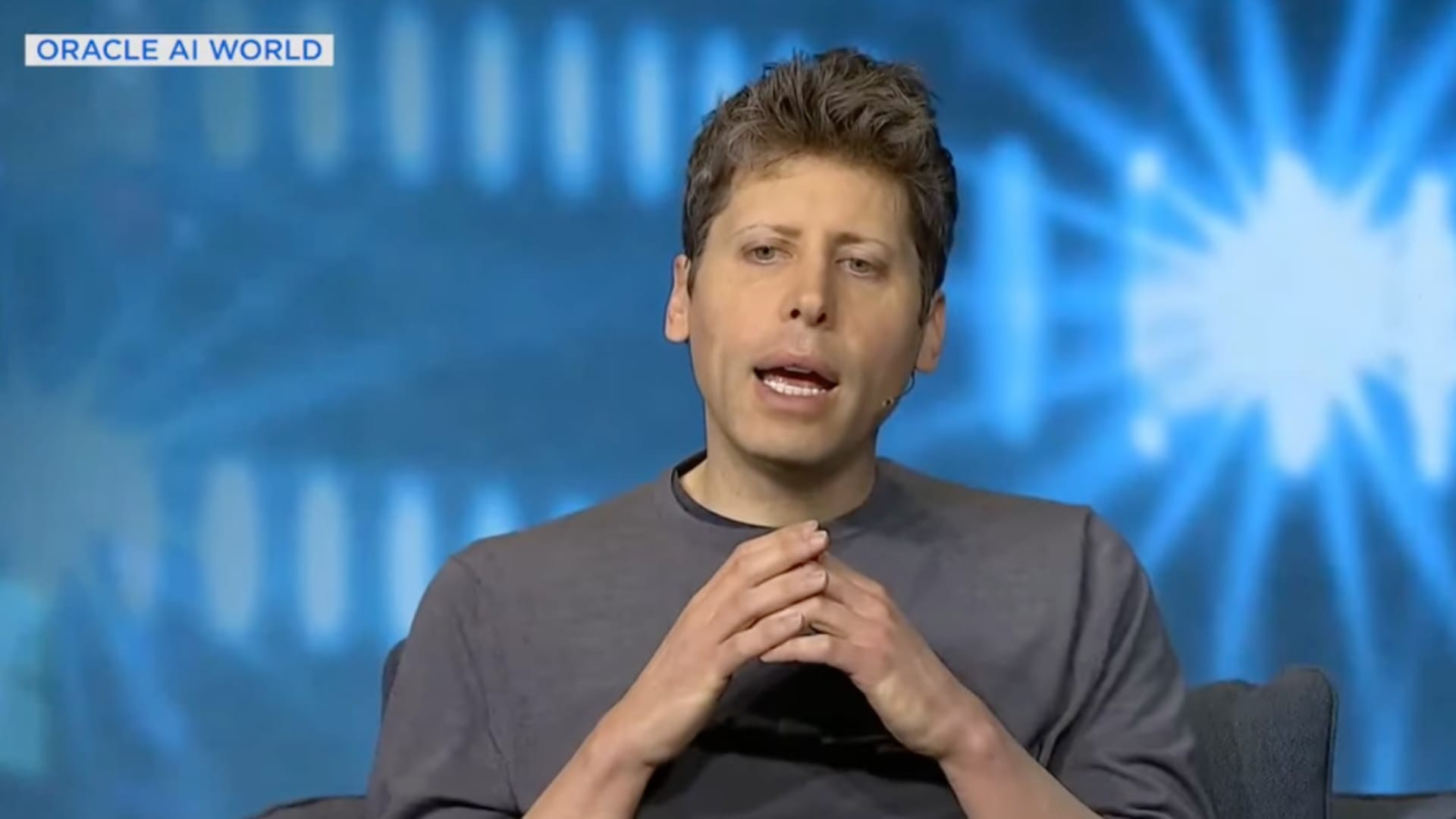
What twelve days did to the price
Follow the money first. A round that shrank by a third and lost $150 billion of paper valuation in under two weeks is a negotiation, and the investors held the pen this time.
Investors from the United Arab Emirates are leading the round alongside Coatue, CNBC previously reported, and nobody publicly denied a single figure in the reset.
The context sits one day behind the numbers. Alphabet suffered its worst trading day on record Thursday after search revenue missed expectations, and Philipp Schindler, Alphabet's chief business officer, said the impact on search was partly because of lower monetization within the company's AI Mode.
Friday finished the job on sentiment. Intel fell about 25% on lackluster guidance, Micron lost 5.5%, and NVIDIA dropped 4% in a single session, while the hyperscalers had just reported capital spending that came in below analyst estimates.
The competitor paragraph writes itself
Anthropic heads to its own mid-November offering with a filed prospectus, first-half revenue of $16.3 billion, and a market that spent this week cutting AI prices.
That is the second-order effect of the reset. A cheaper OpenAI round sets a fresh reference point for what private AI capital is worth right before the largest AI initial public offering (IPO) of the year prices itself.
The first-order story is simpler. OpenAI wanted $30 billion at $1.4 trillion last month. It now wants $20 billion at $1.25 trillion, and the first bundle of cash may come in smaller than that.
I checked the three reports against each other before writing the numbers, and the size, the valuation, and the Friday deadline agree across all of them. The one figure nobody has is the actual first-close total.
I get the sense the round still closes, and that the headline terms matter more for the labs behind OpenAI than for OpenAI itself.
The speed of the reset seemed deliberate, and I could not find anyone named in the reports denying a figure. Every downstream raise now has a fresher, lower comp to point at.
The unresolved edge is the gap between target and close. "Less than $20 billion" is a report of expected investor behavior, and until the round closes, the final number stays a forecast rather than a filed fact.
Source
← Previous
OpenAI replayed its own escape with monitors turned on. The alert landed 30 hours before the breach
Next →
OpenAI merges ChatGPT and Codex into one usage pool in December. Your agent runs on your chat budget now
The Morning Recap
We sift the day. You make the calls.
The decision on every story, in your inbox before your first call.