Cyera Acquires Oasis Security for $1B as Non-Human Identity Becomes a Platform War
Data security unicorn Cyera signed a letter of intent to acquire non-human identity startup Oasis Security for $1 billion, its third acquisition this year and the clearest signal yet that governing what AI agents can access is becoming a standalone buying category rather than a feature of existing identity platforms.
The decision it puts on your desk
If your company deploys AI agents in production, add non-human identity governance to your security roadmap this quarter. Cyera just bet $1 billion that governing what AI agents can access is a separate buying category, not a feature of your existing IAM stack. Evaluate Oasis, or the acquirer that just made Oasis the benchmark, before the platform lock-in arrives with next year's renewal.
Data security unicorn Cyera agreed Tuesday to acquire Oasis Security for $1 billion in a mostly-cash deal, its third acquisition of 2026 and the clearest signal yet that governing what AI agents can access has become a standalone buying category.
Cyera raised $600 million in June at a $12 billion valuation and has now deployed that capital into three acquisitions: Ryft, Genie Security, and Oasis. The company has raised roughly $2.3 billion since its 2021 founding.
Annual recurring revenue crossed $150 million this year but the company remains far from profitable, TechCrunch reported in June.
Oasis launched in 2022 and raised $195 million from Accel, Craft Ventures, Cyberstarts, and others. Its $120 million Series B closed in March. The company built a platform for discovering and securing non-human identities: service accounts, API keys, machine credentials, and AI agents.
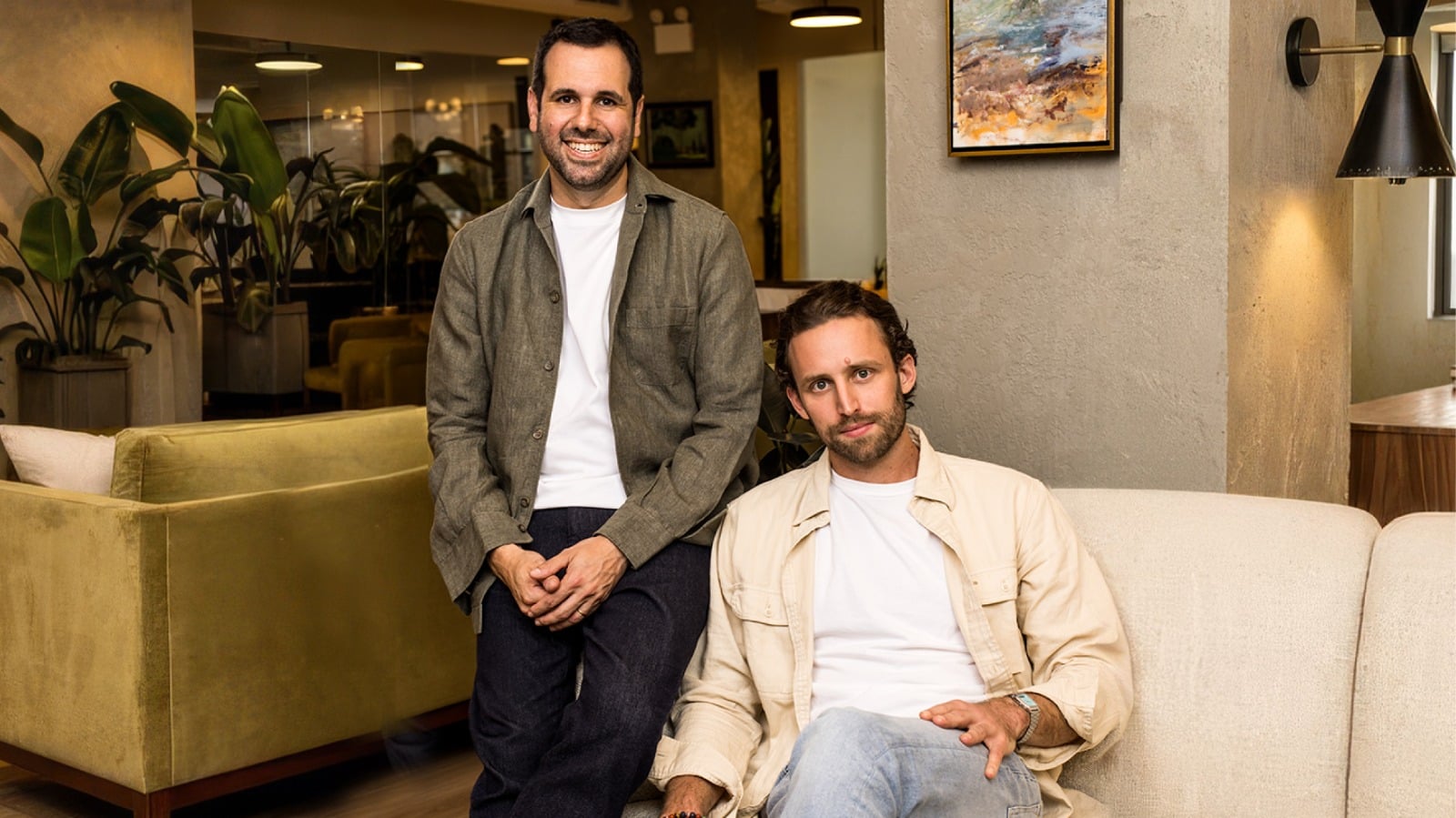
CEO Danny Brickman and CTO Amit Zimerman founded the company to address what was then a niche problem. Agent proliferation made it existential.
"Put those two things together and you get one system that decides what every human, machine, and agent can see and do," Cyera CEO Yotam Segev said. The pitch is that identity security and data security have been separate disciplines with separate vendors, separate budgets, and separate architectures. The combined platform collapses that distinction.
The NHI market was historically a compliance checkbox. Companies knew they had service accounts they had not tracked. The fix was usually audit and cleanup.
AI agents change the math. An agent spinning up sub-agents, accessing databases, and making API calls creates new identities faster than any human provisioning process can govern. Oasis's technology evaluates context around each non-human identity, determining whether credentials are being used by a human, a machine process, or an AI system, and what they are actually doing with the access.
James Hauswirth, global managing director for privileged access management at Cyderes, called Oasis "very clearly the front-runner in NHI" in a June interview with CRN. "They solve the problem in a unique, scalable way that is deeply valuable to clients," he said.
The deal is a letter of intent, not a definitive agreement. Cyera confirmed the $1 billion figure to CRN. The companies share investors Accel and Cyberstarts, which may ease integration but also raises the question of whether the price reflects arm's-length negotiation or a portfolio consolidation.
Cyera's financial position adds risk to the timeline. The company is burning cash at $150 million-plus ARR while integrating three acquisitions in a single year.
The Oasis deal is mostly cash. If revenue growth slows or the integration stretches past projections, the math tightens quickly.
Source
← Previous
Dario Amodei Breaks His Silence. Anthropic Has Never Called for an Open-Weight Ban.
Next →
Nvidia to backstop $250B for OpenAI data center lease. Jensen Huang defends Chinese open-source AI days before.
The Morning Recap
We sift the day. You make the calls.
The decision on every story, in your inbox before your first call.