Etched Raises $300M at $10.3B Valuation as Inference Hardware Goes From Skepticism to Sequoia's Biggest Series C
Etched, the AI chip startup founded by three Harvard dropouts, closed a $300 million Series C at a $10.3 billion valuation, doubling its price in seven months as its custom inference chips move from demo to customer testing.
The decision it puts on your desk
If your organization's inference spend exceeds $200,000 per month, request an Etched benchmark on your own workloads within 90 days. Prefill and decode are different economics. If Etched's low-voltage approach lowers inference cost by even 20 percent on your specific models, the savings compound monthly. Do not wait for public benchmarks. Run your own.
Etched closed a $300 million Series C at a $10.3 billion valuation, the startup said Wednesday, doubling its price from a $5 billion round in December and marking what Sequoia said is the highest valuation ever for one of its Series C deals. The company has now raised $800 million and booked more than $1 billion in customer orders for its custom AI inference hardware.
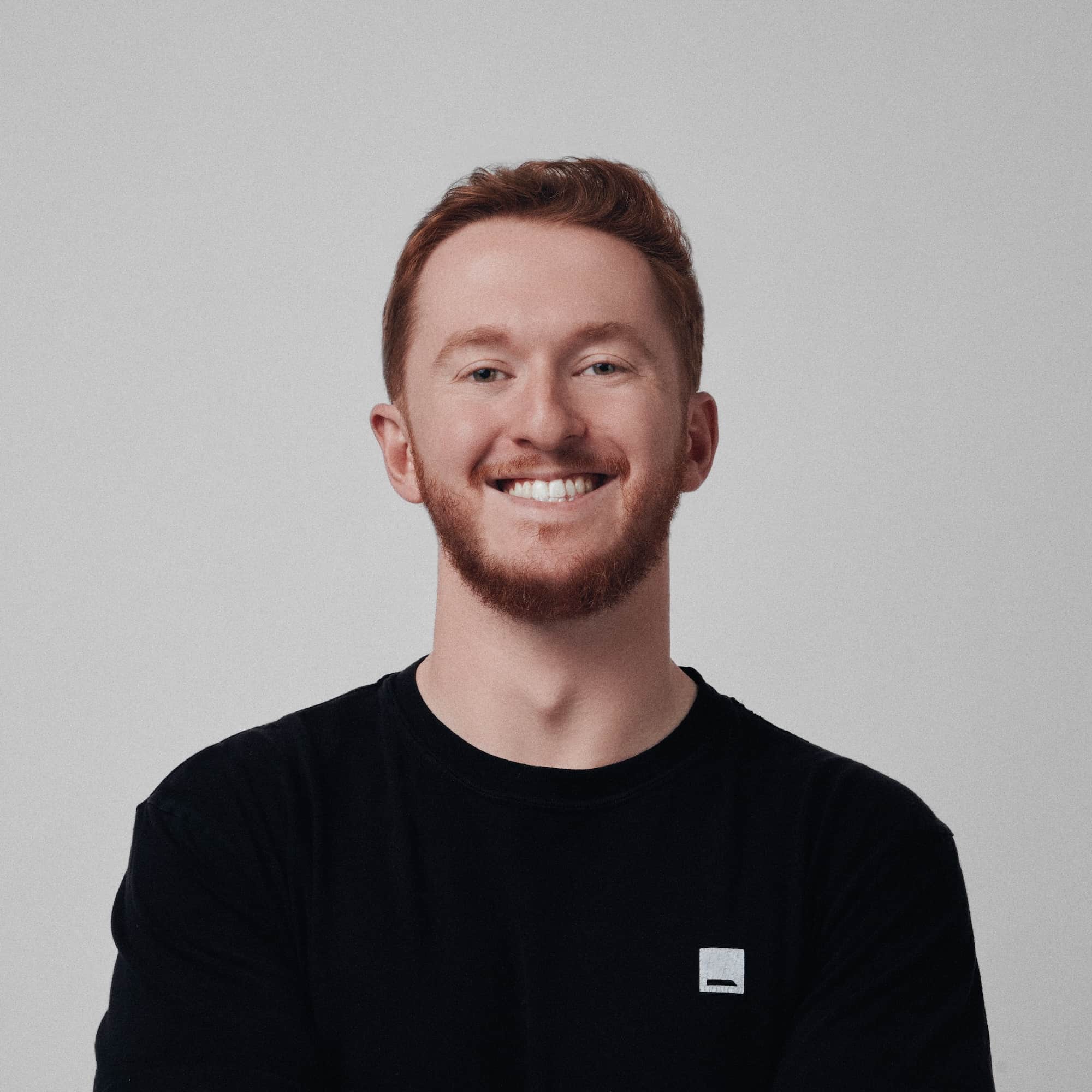
The round was led by Sequoia with Andreessen Horowitz, SK Hynix, Jane Street, and Diffusion Capital participating. Earlier backers include Peter Thiel, Andrej Karpathy, Dylan Field, and Amjad Masad. The company says the roster reflects private demos that convinced skeptics.
Founded in 2022 by Harvard dropouts Gavin Uberti, Robert Wachen, and Chris Zhu, Etched designed two components from scratch: a prefill chip that operates at lower voltage to pack in more transistors, and a new memory interconnect the company calls cluster-scale memory. The systems run any AI model including Mixture of Experts architectures like DeepSeek and Qwen, as well as non-transformer designs like Mamba.
"Andrej Karpathy from Anthropic, Noam Brown from OpenAI, Geoffrey Hinton, as well as all the investors in the funding round, these are all people who actually tried the hardware and are very excited about it," Wachen said.
The company has faced persistent skepticism. The idea of building silicon purpose-built for AI inference was considered reckless when Etched launched. Critics questioned whether custom chips could keep pace with the rate of model architecture change. The company's response was to ship first and let the demos answer.
Last month, Etched announced its first chips had been successfully manufactured by TSMC and that full systems were being tested by early customers. The company operates a 2-megawatt data center at its San Jose office and just opened an 80,000-square-foot, 10-megawatt facility in Milpitas.
Etched now employs 400 people. The co-founders spent their early days with no office, one of them sleeping on the floor of a friend's unfurnished house with a towel as a blanket. They kept prototype servers in an early employee's garage, calling his wife to hit the reboot button when things went down.
Google is reportedly pursuing a similar approach with its Frozen v2 chip, which etches Gemini's architecture directly into silicon. The concept Etched was mocked for in 2024 is now a competitive strategy at a trillion-dollar company.
The inference market is growing faster than the training market. Every query to ChatGPT or Claude is inference, not training. If Etched's low-voltage prefill and cluster-scale memory deliver the promised speed and cost advantages, the company becomes the first credible non-Nvidia inference alternative at scale.
The risk is execution. Manufacturing chips is hard. Mass production is harder. Etched has working silicon and customer orders, but no independent benchmarks exist to compare its systems against Nvidia's H200 or Blackwell on real-world inference workloads at scale. The demos were private.
Source
← Previous
Glow emerges from stealth with $180M at $1.2B valuation to rebuild endpoint security for the AI era
Next →
US Alleges Moonshot AI Distilled Anthropic's Fable Model to Build Kimi K3, Sanctions Loom
The Morning Recap
We sift the day. You make the calls.
The decision on every story, in your inbox before your first call.