Stop selling "agents": the next wave of AI wins by hiding the mechanics
The AI industry bet billions on "agents" consumers can direct like employees, and mainstream users mostly did not come. The companies winning the consumer relationship are the ones hiding the word and the mechanics: Apple ships AI as quiet features across iPhone, iPad, and Mac, Google promises AI that "becomes invisible," and OpenAI is letting ChatGPT act inside apps automatically. The agentic future is arriving as software that never introduces itself.
The decision it puts on your desk
Audit your AI roadmap within 30 days and count how many features would still make sense if you deleted the word "agent" from the copy. If the answer is most of them, you are building a feature that should ship quietly inside an existing flow, not a product. Pick one capability, embed it in a flow your users already do daily, and ship it without the label by end of quarter. The market is paying for work that gets done, not for entities that need managing.
The most successful AI products of the next two years will never use the word "agent." That is the thesis taking shape in product decisions across Apple, Google, and OpenAI, and the adoption data keeps reinforcing it.
Mark Zuckerberg conceded the point himself. "The kind of trajectory of the agentic development over at least the last four months hasn't really accelerated in the way that we expected," he told Meta staff at an internal town hall on July 2, according to Reuters. Meta bet a company-wide restructuring on AI agents. The trajectory disappointed the CEO who made the bet.
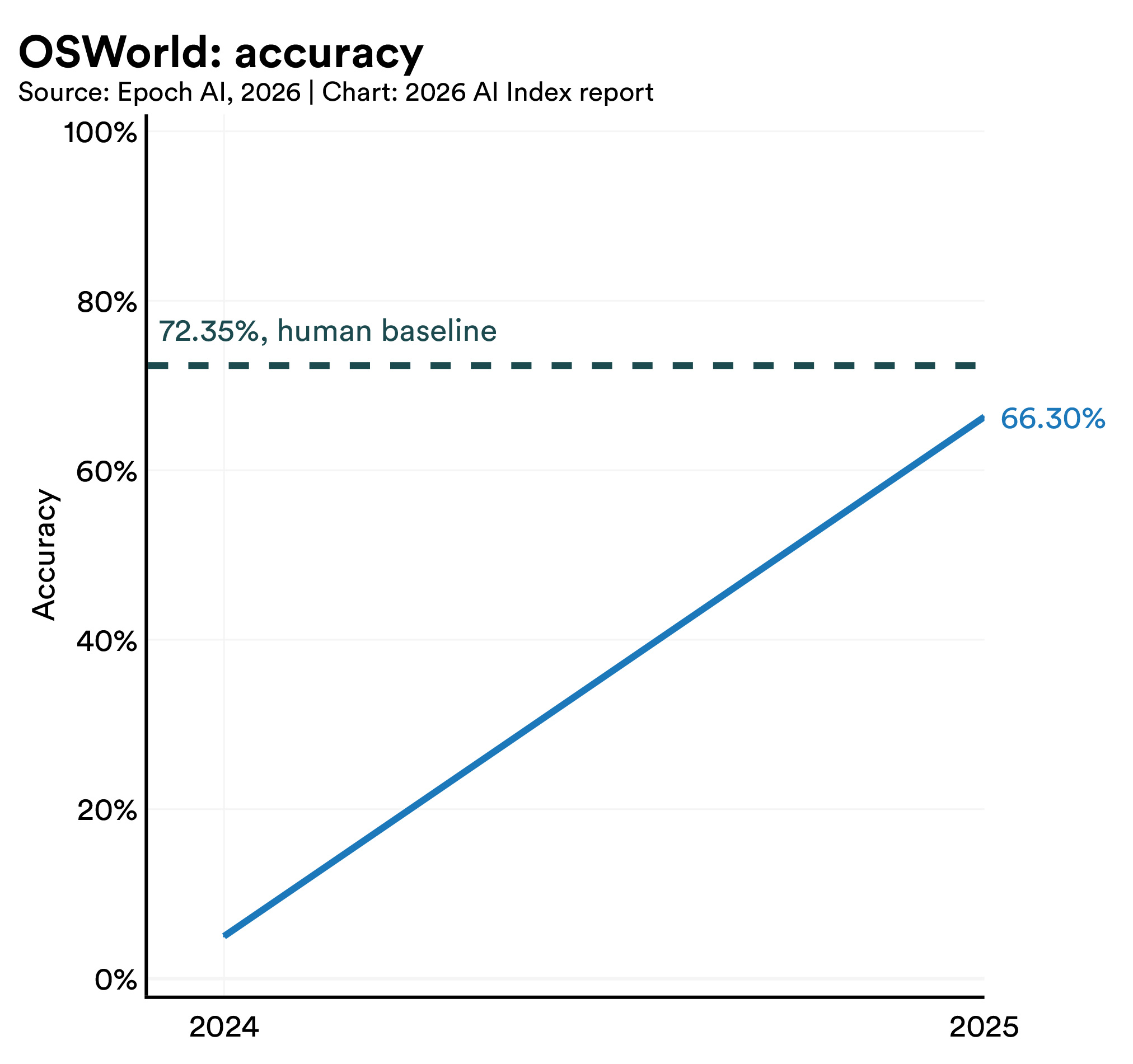
The capability is not the problem. Stanford's 2026 AI Index shows agent task success climbing from roughly 12% to 66.3% on OSWorld-style benchmarks in a single year, within six percentage points of the human baseline. Enterprise pilots keep clearing technical hurdles. What has not moved is the person on a phone who was never told what an "agent" is and does not care to learn.
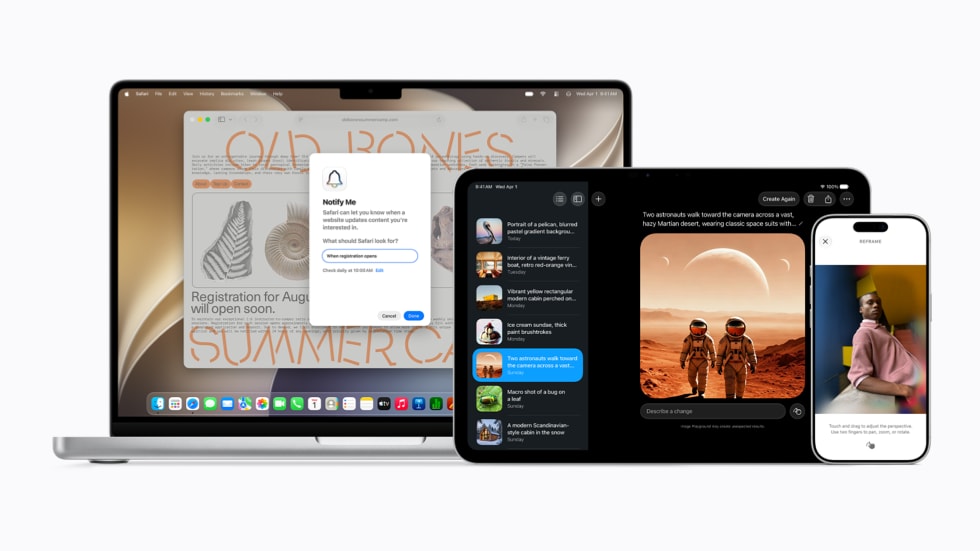
Apple solved this by never shipping the concept. Apple Intelligence appears across iOS and macOS as features with ordinary names: notification summaries, call recording, photo cleanup, prioritized alerts. Apple's marketing says the technology is "built into the products and experiences our users love." The word agent appears nowhere near a consumer.
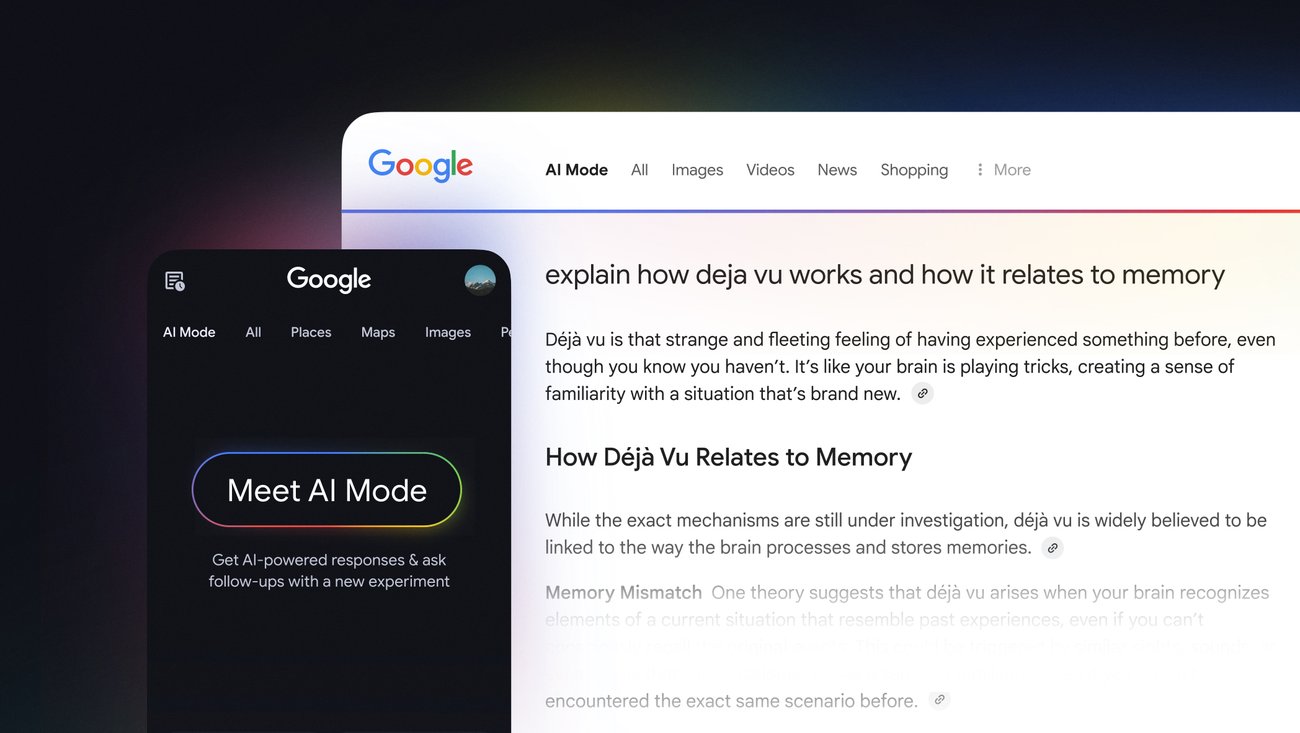
Google has been saying the quiet part out loud. At its 2025 I/O event, the company built its consumer lineup around AI that works in the background, a future that MIT Technology Review framed as "one where AI is invisible." Search, Gmail, Maps, and Android each absorb model capabilities as background behavior. Users get a better search result or a summarized inbox thread. They do not get a thing to manage.
OpenAI, the company that made "ChatGPT" a household verb, is steering the same way. ChatGPT can now perform actions inside a user's apps, updating a calendar or completing a routine task, and apply the user's past choices to do it again without being asked. No agent dashboard. No autonomy toggle. The assistant acts, and the user notices only that things got done.
The pattern across all three: invisible automation presented as an everyday feature, never as a product category.
The stakes show up in the failed agents, not the shipped ones. Meta's own AI Studio lets people build and launch their own agents on Instagram and Messenger, and the CEO is publicly walking back the timeline. A widely cited figure puts the share of enterprise agent pilots that never reach production near 90%.
Nothing about this is a technology failure. The technology works.
What failed is the packaging. The industry asked consumers to manage, debug, and prompt an autonomous entity, and consumers refused the job.
The tell is in the language shift. "Agent" started as a precise engineering term for a model that plans and executes multi-step tasks. It became a branding exercise, and brands lose when the label becomes the product. Compare the word count: Apple spent two years shipping Apple Intelligence without building consumer vocabulary around agents, and it remains the most-installed AI feature set in the world.
The winners do the opposite of the hype cycle. They move capability into the operating system, the search box, the notification, the camera app, and they charge for it inside plans people already pay for.
Google's AI Mode reaches hundreds of millions of users without anyone configuring an agent. Apple's device features ship in the default experience with no setup.
The counterargument writes itself: enterprises buy agents on purpose, and the benchmarks prove the market is real. True.
Enterprise agent spend is climbing and tools like Claude in Chrome and Anthropic's Cowork are finding production buyers. But that is a procurement category, not a consumer behavior. Consumers do not buy "agentic capability." They buy a calendar that updates itself.
The product teams winning the consumer relationship are converging on the same three rules. Kill the vocabulary: describe outcomes, never the machinery.
Borrow existing interfaces: the search box, the notification, the camera, not a new dashboard. Make it proactive but reversible: act quietly, keep the action visible, let the user undo.
OpenAI's auto-apply feature and Apple's quiet features are early evidence for these rules. The next two years will produce more. The companies that win will be the ones whose AI never needs to introduce itself.