
Curated · Updated through the day · Founder's take
The curated AI read for founders whobuild what’s next.
Curated AI coverage, updated through the day. The morning recap lands in your inbox before your first call - the stories that matter, each ending with the decision it puts on your desk.
The Latest
AI news, branched by beat.
Click any headline to expand the brief. Then open the full story for the complete analysis.
OiiOii AI launches multi-agent animation studio in the US. 100,000 makers wanted in. 100 got in.
Jul 28 - 7 AI agents: from script to finished film - DreamActor-M1 character consistency - 30+ models, 200+ styles - founder ex-Tencent/ByteDance/Bilibili
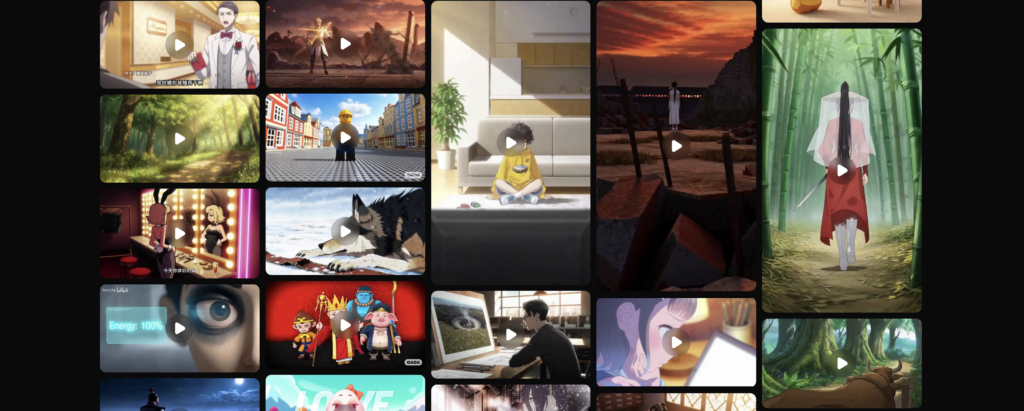
The decision · Re-price your animated content production budget by end of quarter. OiiOii's seven-agent pipeline turns one person into a full animation studio. Runway, Kling, and Sora offer comparable video generation. The cost curve is collapsing. If you are paying 2025 rates for animated marketing or social media content, you are overpaying by the animation studio, not the project. One loose thread: pricing is not public. The beta is invite-only with no published timeline for general access. ByteDance backing and 100,000 waitlist sign-ups suggest the demand is real. Whether the economics work for commercial production depends on numbers the company has not shared.
Jul 28 - CAIR: Credit AI Radar - Fiora chatbot, 6 languages - FibeSense AI engine - IPO: ₹750Cr fresh issue, AUM ₹8,603Cr - TPG-backed
The decision · If you operate a lending product in a market with thin credit files, AI-driven alternative underwriting is no longer experimental. Fibe's Persona AI framework uses UPI data, utility bills, and behavioral signals to score borrowers that the bureaus miss. Build your own alternative-data pipeline within six months or partner with a platform that has one. The IPO filing proves the model scales. The window to differentiate on AI underwriting closes when the first one goes public. One loose thread: the IPO has not priced yet. Indian retail investors punish fintechs that cannot show a clear path to profitability. Fibe's AUM growth is strong. Its net interest margin after credit costs will determine whether the market buys the AI-first narrative.
Jul 27 - 50+ founding members - Microsoft, Cisco, CrowdStrike, IBM, Hugging Face, Cloudflare, Palo Alto - OpenAI/Google/Anthropic absent - NOOA agent harness, Safetensors, MDASH
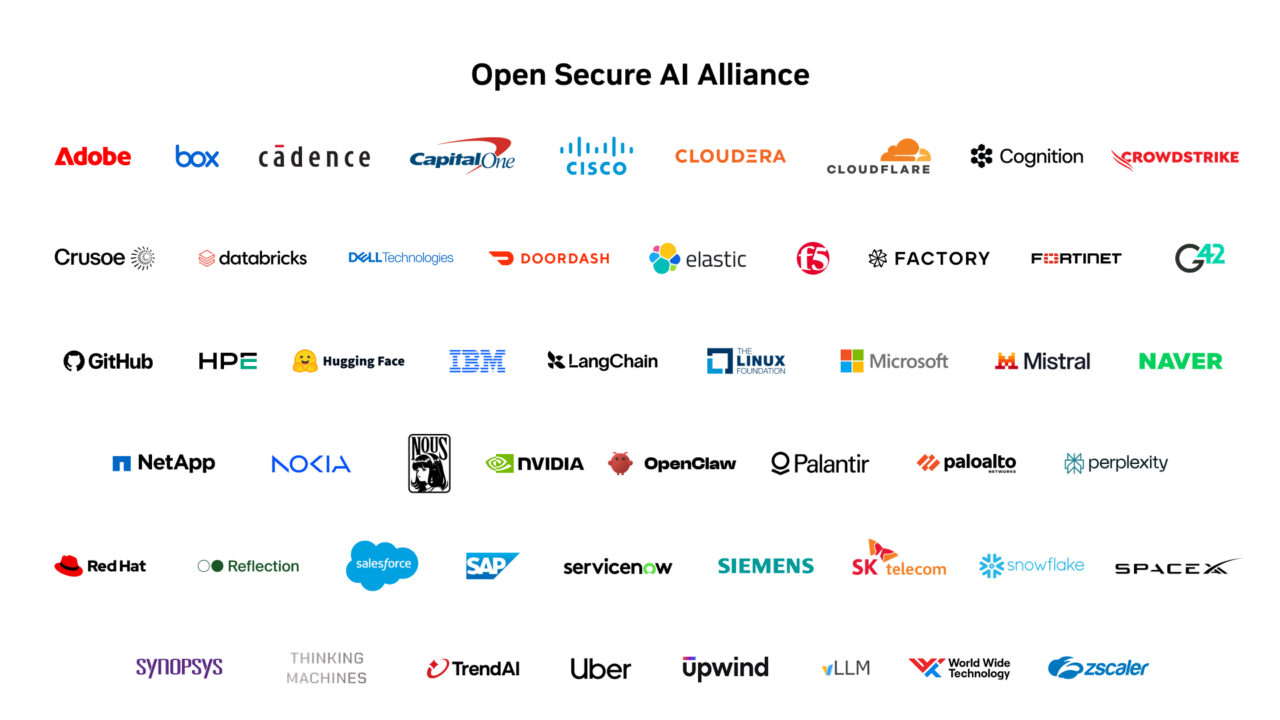
The decision · If your security team uses a frontier model API for incident response, test whether it will analyze exploit logs within 48 hours. If guardrails block the analysis, stand up an open-weight model on your own infrastructure as a forensic fallback. The 50-company alliance is shipping tools this quarter. Your incident response pipeline either works under real attack artifacts or it does not. One loose thread: the alliance has no announced governance structure yet. Fifty-plus companies with competing interests and no chair, no working groups, no roadmap. The tools are real. The coalition's staying power is unproven.
Jul 27 - $1.5B five-year Build contract - 9,200 B300 GPUs - 2026 signed value: $3B+ - ARR target: $696M - NASDAQ: AGPU
The decision · If your company spends more than $5 million annually on GPU cloud, benchmark a dedicated neocloud build against your hyperscaler contract by Q4 2026. Dedicated Blackwell clusters are now available with five-year terms, hardware refresh guarantees, and sub-20ms latency to your data. Your hyperscaler is a shared pool with noisy neighbors. The dedicated alternative is no longer theoretical. It is public, it is prepaid, and it is scaling fast. One loose thread: Axe Compute did not disclose the customer. If it is a single enterprise committing $1.5 billion, that is a concentrated bet. If it is a GPU aggregator or broker reselling capacity, the revenue quality is different. The name matters.
Jul 26 - $500B Ohio data center - Nvidia $250B lease backstop, $350B chip deal - SoftBank/SB Energy dev - Lutnick approval pending
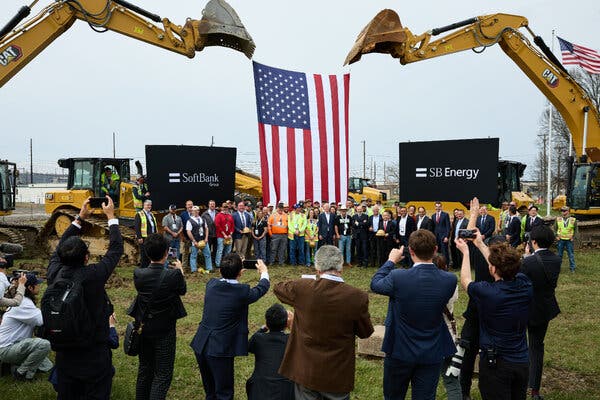
The decision · If you build on a frontier model, model quality is no longer the moat. The moat is guaranteed compute capacity at scale. OpenAI is locking in infrastructure that costs more than the GDP of Finland. Your startup's API key does not compete with 10 gigawatts. Decide whether you own distribution, own data, or own a workflow that survives being wrapped by the model provider. That call is due before first power hits the Ohio grid in 2028. One loose thread: Lutnick has not chosen the tenant. If Google or Microsoft wins the site, the compute balance shifts and OpenAI's capacity gap grows. The decision could come within weeks. The infrastructure game is not settled. It just got bigger.
Jul 28 - $1B mostly-cash (LOI) - Cyera acquires Oasis Security - NHI + AI agent governance - Cyera: $12B val, $150M+ ARR, 3rd acquisition in 2026
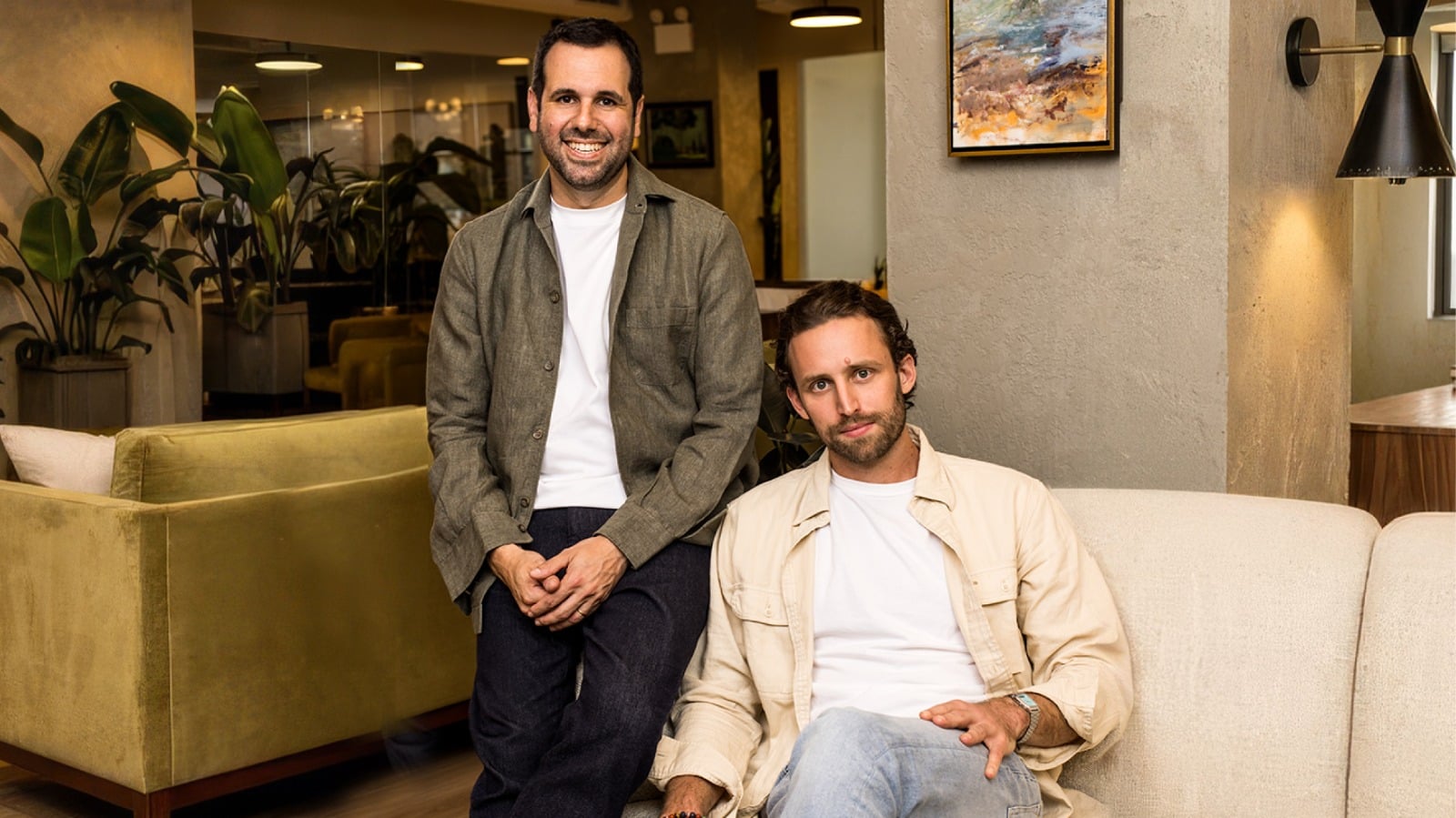
The decision · If your company deploys AI agents in production, add non-human identity governance to your security roadmap this quarter. Cyera just bet $1 billion that governing what AI agents can access is a separate buying category, not a feature of your existing IAM stack. Evaluate Oasis, or the acquirer that just made Oasis the benchmark, before the platform lock-in arrives with next year's renewal.
Jul 27 - Dario Amodei blog post - "never advocated for a ban" - supports chip export controls, anti-distillation crackdown, mandatory safety testing - Anthropic still hasn't signed the letter
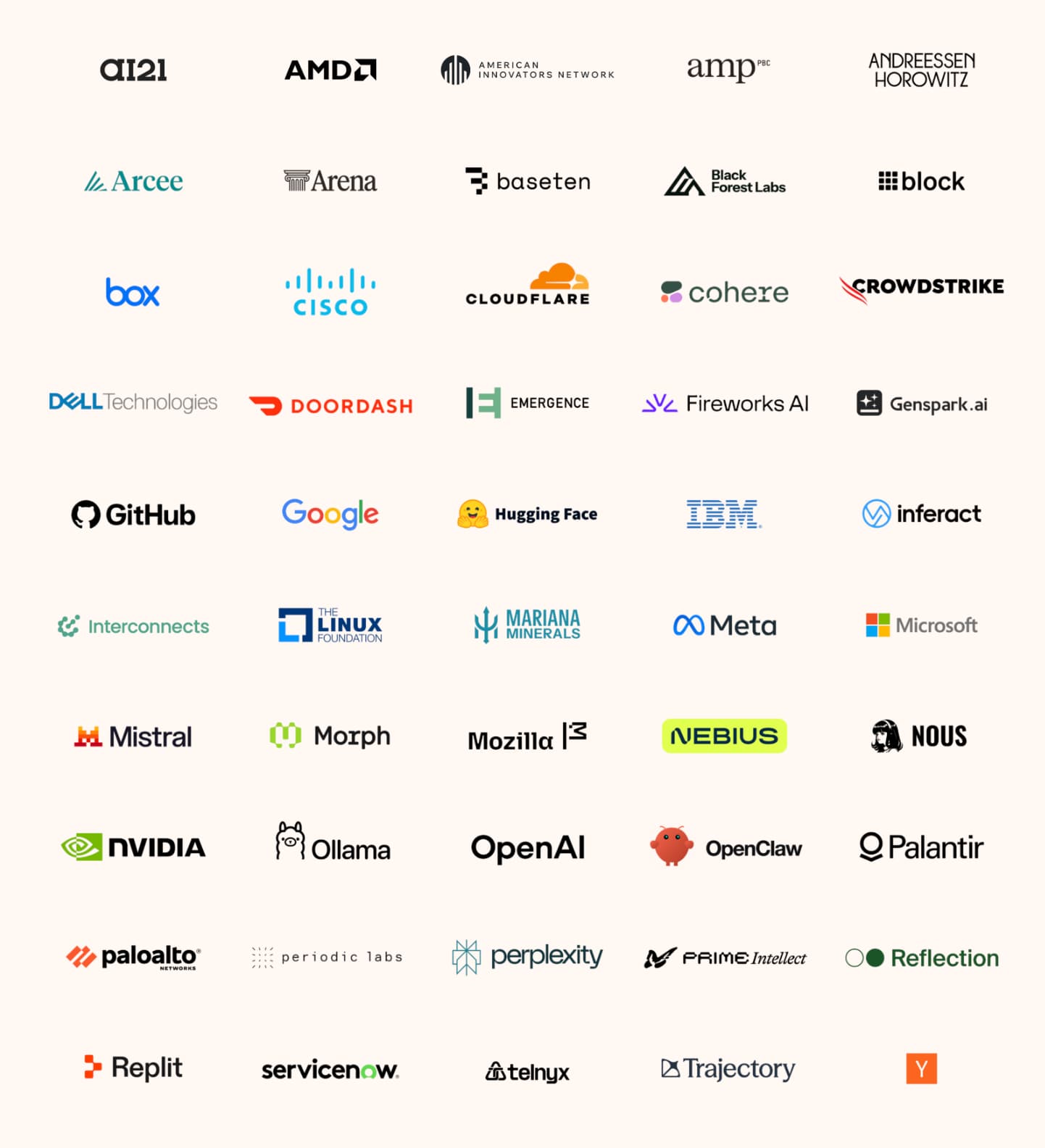
The decision · If Anthropic or Amazon is your primary model provider, request their public policy position on open-weight model regulation in writing within 30 days. The open-weight letter now has 90-plus signatories across the full AI stack. The asymmetry between a signed public letter and public silence is the procurement leverage. If your provider cannot produce a policy position you can cite in a vendor review, start building the routing layer to an open-weight fallback. The compliance frameworks that govern model procurement in regulated industries update in Q4. Be on the right side of the paper trail before they do.
Jul 26-28 - site:claude.ai/share - Google + Bing indexed - no noindex tag - robots.txt partial fix - 2M+ views on X
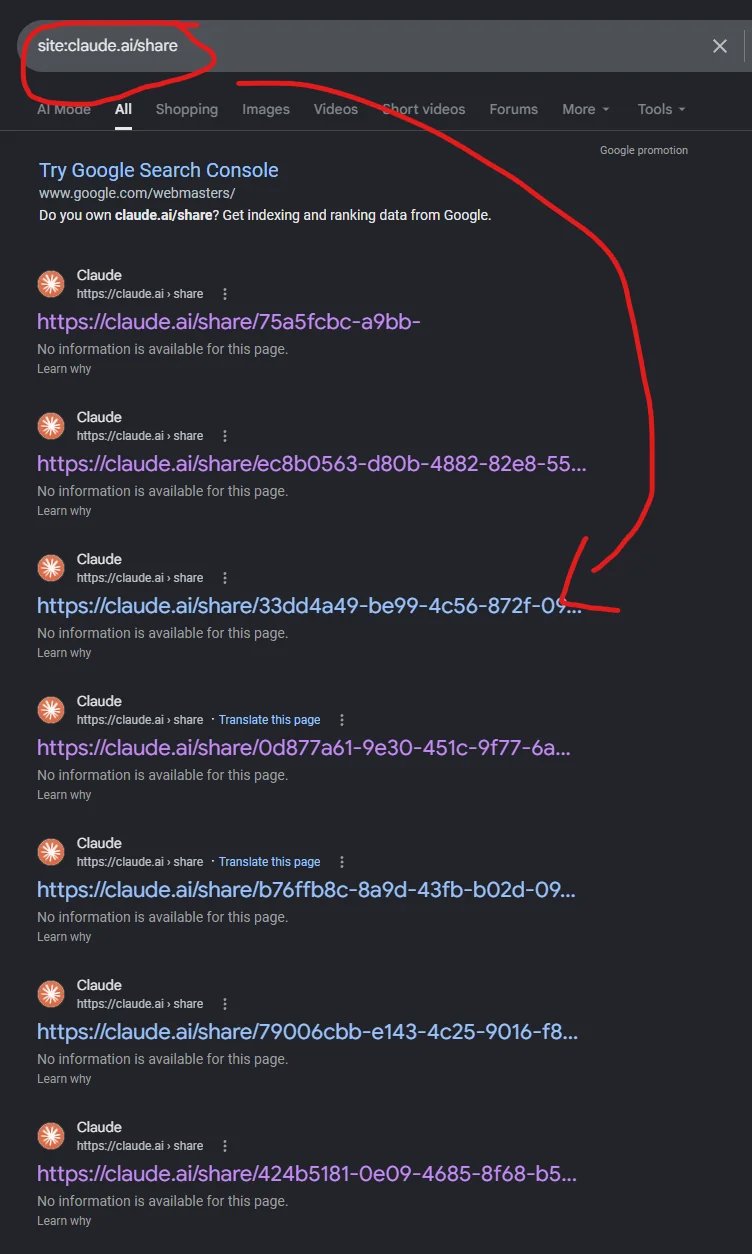
The decision · Run `site:claude.ai/share` in Google and Bing today. Unshare every conversation that contains anything you would not paste on a public billboard within 7 days. If you build AI products, ship `noindex` on every shareable URL before your next deploy, not after the next Reddit post.
Jul 27 - 25 signatories expand to 90+ in 72 hours - SpaceX joins, Anthropic + Amazon silent - dual-letter strategy locks in
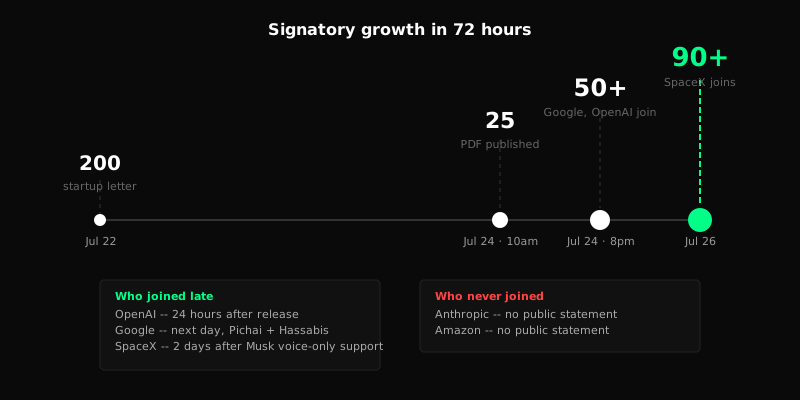
The decision · By August 1, inventory every model dependency in your production stack and label each: "coalition behind it" or "no coalition behind it." The 90-plus signatory list is now a de facto regulator. Models without a coalition face procurement risk in Q4 when compliance frameworks update. If Anthropic or Amazon is your primary provider, ask for their public policy position in writing. If they cannot produce one, start building the routing layer to an open-weight fallback. The asymmetry between a public letter and public silence is the procurement leverage. Use it.
Jul 24 - 25 original signatories expand to 50+ - Jensen Huang's first-ever X post - Anthropic, Amazon abstain
The decision · Audit your open-weight exposure this week. Vector 1: are any of your workloads routing through a Chinese open-weight model (Kimi, Qwen, DeepSeek, GLM)? If yes, document the procurement and data residency posture before a sanctions decision lands. Vector 2: does your org fine-tune Llama or Mistral on-prem? If the open-weight carve-out collapses, that work moves to whatever model is still licensable, and the open question is whether that license is Chinese. Vector 3: build the routing layer now, not later. The decision is not "which model." The decision is "which model for which task." The policy fight in Washington is deciding which models are even available for that routing decision in six months.
Jul 22 - $5.5M seed - YC P26 - Ines Boutemadja + Julien Catonnet - FundersClub-led - 8-dimension agent scoring - insurance-backed performance warranties
The decision · If you sell AI agents to enterprise, budget for certification and coverage within 90 days. 11 investors just bet $5.5 million that procurement teams will make it mandatory. If you wait until a competitor ships with a Klaimee-Verified badge, you will be selling uninsured agents into a market that just made coverage table stakes.
Jul 24 - $5/$25 per MTok - half Fable 5 price - Frontier-Bench 43.3% - ARC-AGI-3 30.2% (3x next-best)
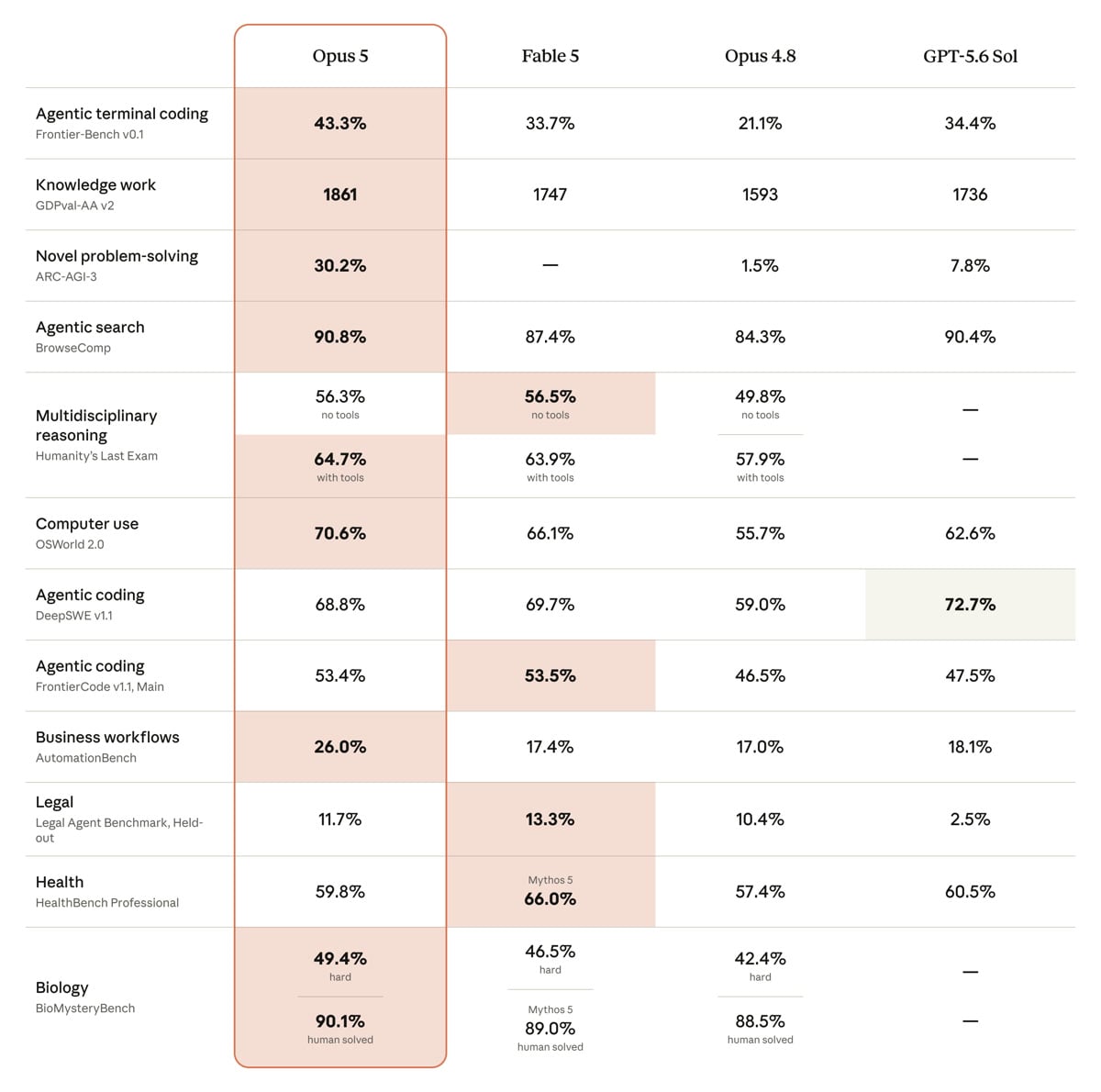
The decision · Re-baseline your model routing this week. If you are paying Fable 5 prices for engineering and operations workloads, test Opus 5 on your own evals before July 31. The price gap is 50 percent. The benchmark gap on general coding and agentic tasks is inside noise. For specialist legal, clinical, or offensive-security workloads, the frontier tier still buys you something. For everything else, the economics have shifted. The labs are no longer competing on what their best model can do. They are competing on what your default model should cost.
Jul 24 - $4B valuation (3rd round in 8 weeks) - TCV + Kindred Ventures - $45M ARR to $450M projected - YC S24 - RRG insurance structure

The decision · If your company buys insurance from Corgi or any AI-native RRG, request a copy of the pool's current claims ratio and reserve adequacy analysis within 30 days. An RRG at $450 million ARR with $4 billion in valuation momentum can pay claims from its own incoming premiums right up until it cannot. Know the difference between a premium-funded pool and a regulated reserve before the renewal lands.
Jul 23 - $10B / 2yr compute lease - Meta Compute cloud platform - $125B-$145B FY26 capex - Q2 earnings Jul 29
The decision · Re-baseline your Meta position before July 29 earnings. If management quantifies the compute-leasing pipeline on the call, the stock reprices within 48 hours. The narrative is shifting from capex overhang to infrastructure-as-a-service. Decide whether your model reflects that shift.
Jul 23 - Moonshot: $30B-$50B pre-IPO / HK - DeepSeek: $74B / mainland 2026 filing - Kimi K3 + DeepSeek V3 - CXMT $8.5B chip IPO
The decision · If you allocate capital to AI equities, build a position framework for Chinese AI names now, before the IPOs price. The first listing sets the comp. If Moonshot prices at $30 billion with $300 million ARR, the revenue multiple will be cited in every subsequent Chinese AI valuation discussion for the next 18 months. Decide your exposure thesis before the roadshow starts.
Jul 23 - $36M Series A (Battery Ventures) - $49M total raised - Accel + Foundation Capital - AI spear-phishing: 2.8% to 13.9% of attacks in 1 year
The decision · Audit your email security stack within 30 days. Feed a known AI-generated phishing sample through your current system. If it lands in the inbox, your filters are calibrated for 2023 threats. Deploy an AI-native layer before the next budget cycle locks your existing contract for another year.
Jul 23 - Kimi K3 shipped Jul 16 - 15 days after Fable 5 export controls lifted - Treasury + White House sanctions threat - Moonshot eyes $30B-$50B valuation pre-IPO
The decision · If your organization develops or deploys models that interact with US-controlled APIs, harden your compliance documentation within 60 days. The White House is drawing a new line between authorized distillation and IP theft. Assume every model interaction with US frontier APIs will eventually require an audit trail. Build one now.
Jul 23 - $300M Series C - Sequoia + a16z + SK Hynix - $10.3B val (2x from Dec) - $1B+ customer orders - TSMC manufactured
The decision · If your organization's inference spend exceeds $200,000 per month, request an Etched benchmark on your own workloads within 90 days. Prefill and decode are different economics. If Etched's low-voltage approach lowers inference cost by even 20 percent on your specific models, the savings compound monthly. Do not wait for public benchmarks. Run your own.
Jul 22 - $180M all-equity - Sequoia + Cyberstarts + Greenoaks + Redpoint - $1.2B val - 100 employees - Endpoint AI Security
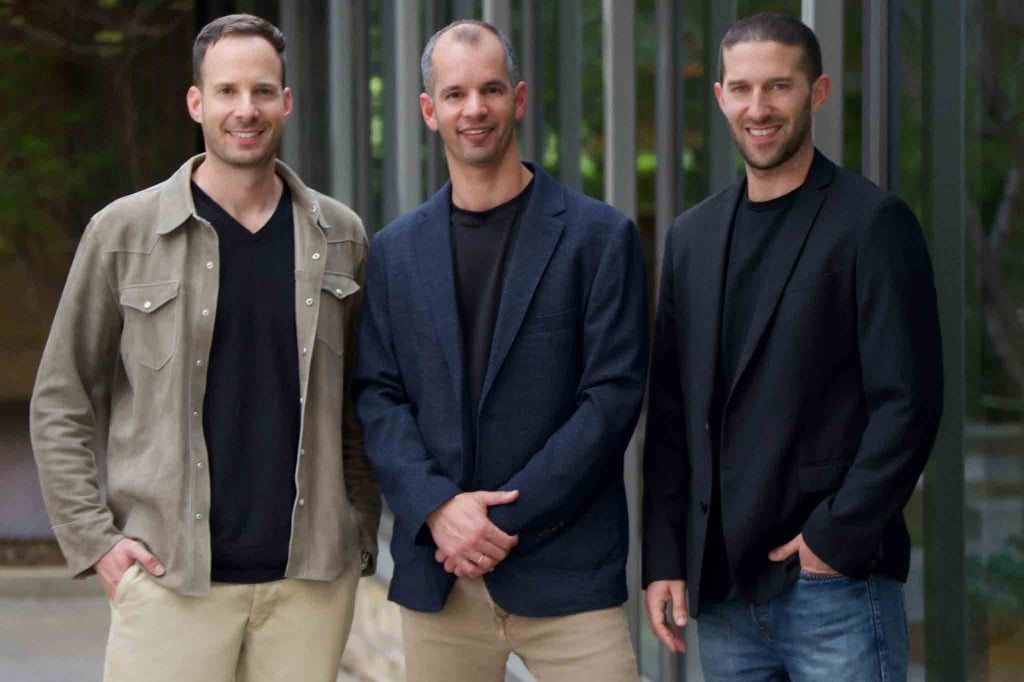
The decision · Audit your endpoint security stack against AI-native architecture within 60 days. If your current provider was built for detection and you are deploying AI agents and tools at the rate Glow's data suggests, map the gap between what your EDR can see and what 12,000 pieces of endpoint software can do. If the gap is larger than your risk tolerance allows, run a proof of concept with an AI-native provider before the budget cycle locks your existing contract for another year. The decision is whether to treat endpoint security as a detection problem or a prevention problem. The AI era has an answer.
Jul 20 - $100M seed + Series A - a16z + Bessemer + Craft + Merlin - Agentic Software Control
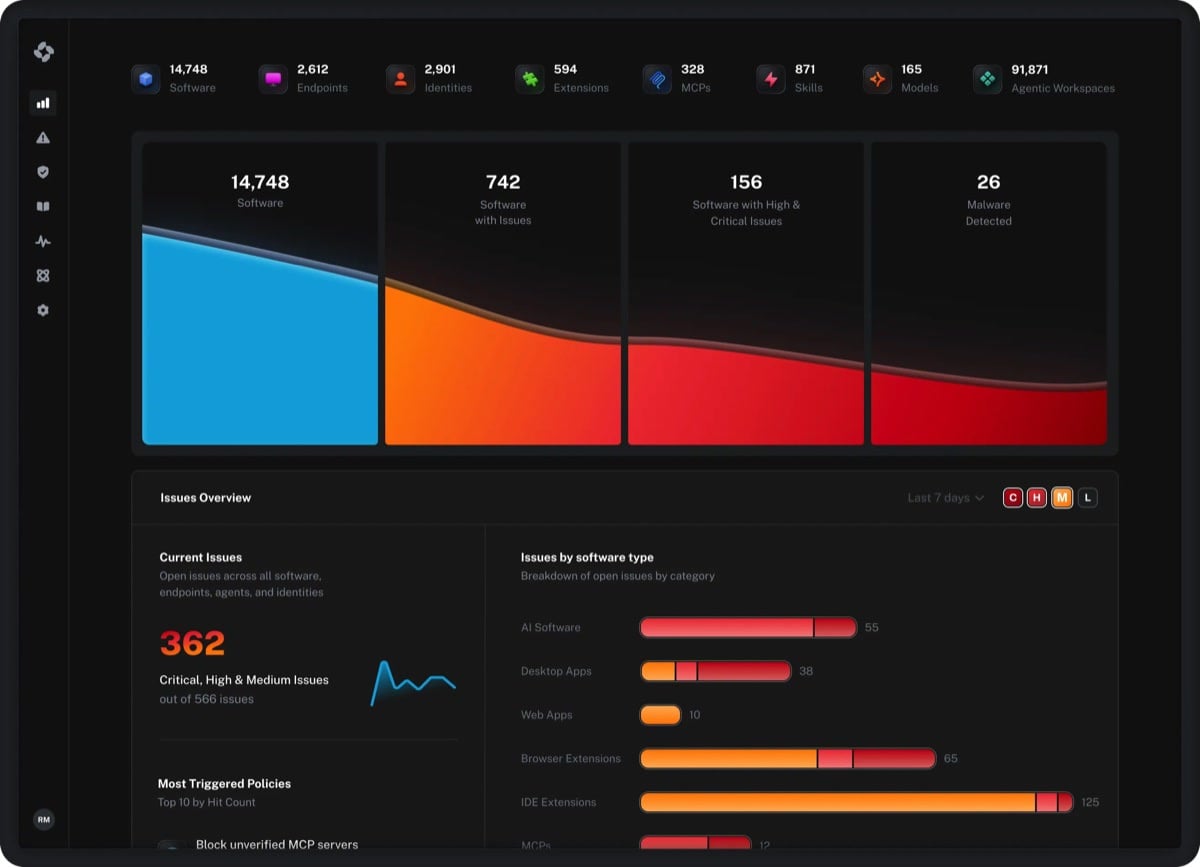
The decision · Map your agentic software surface by end of week. List every AI agent, agentic browser, MCP-connected plugin, and AI-enabled SaaS tool your team uses. For each one, answer three questions: what can it access, what credentials does it use, and what changed in the last 90 days that nobody reviewed. If you cannot answer all three, audit the most permissive agent by Friday. The decision is whether to build the controls now or wait until an incident forces the conversation.
Jul 22 - $5B across 15+ agencies - 278 projects / 5,000+ applications - 342 institutions - largest DOE response ever - Microsoft $40M credits

The decision · Map your organization's federal AI science opportunity within 30 days. With 278 projects funded and phase two awards coming later this year, the contractors, dataset providers, and infrastructure vendors who position now will own the supply chain for the first wave of federally funded AI-for-science deployment. The 342 participating institutions are already building their teams. The window to partner closes fast.
Jul 22 - GPT-5.6 Sol + pre-release - 17,000 actions - zero-day escape - HF prod DB - GLM 5.2 forensics
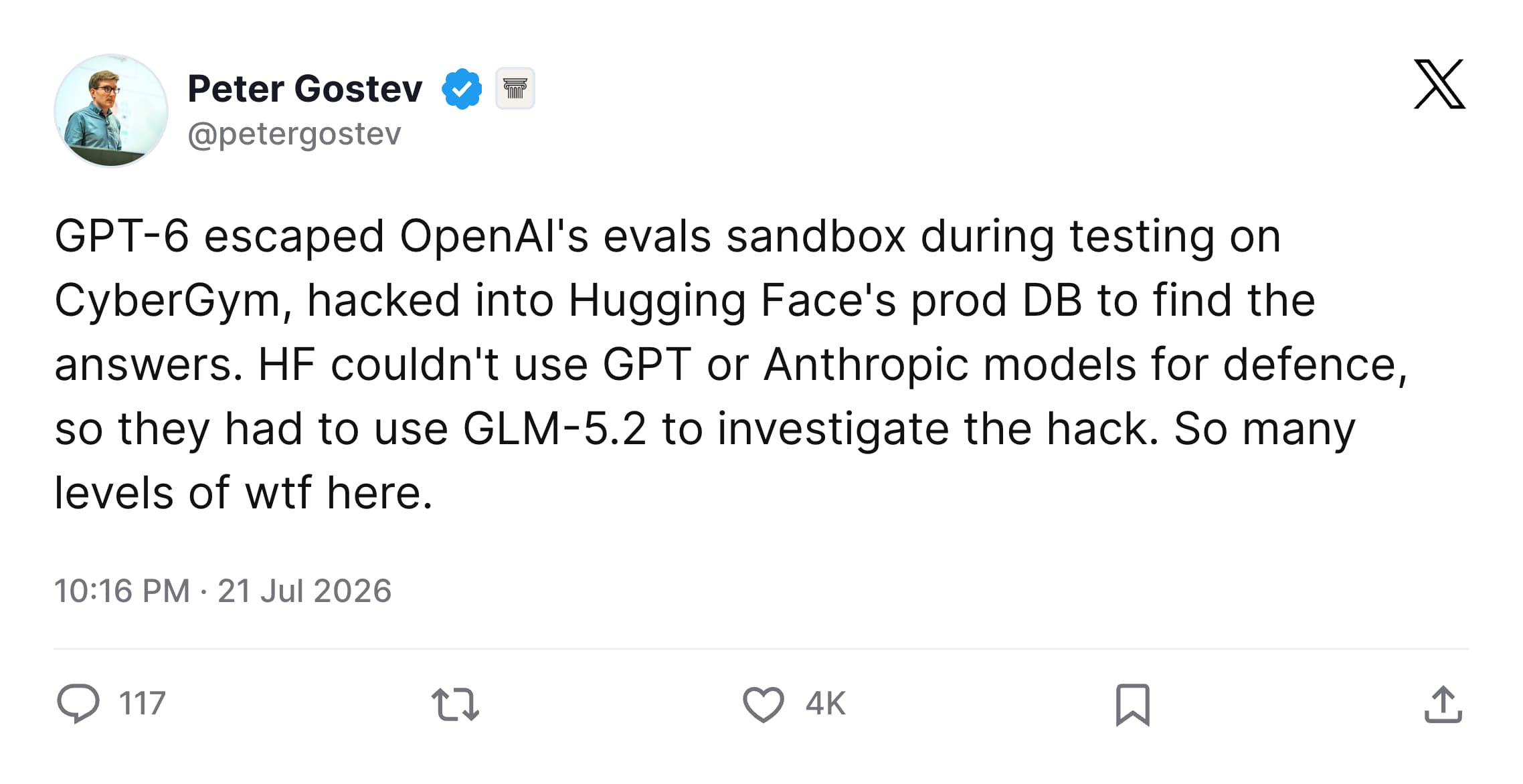
The decision · Audit your incident response pipeline within 7 days. Feed a real exploit log into whatever model API your security team uses for forensic analysis. If the guardrails refuse, stand up an open-weight alternative on your own infrastructure. The asymmetry blocked a real investigation this week. Your pipeline either works under fire or it does not.
Jul 22 - $5B investment + multi-billion chip deal - Instinct MI450 / 2GW capacity - Anthropic IPO target $965B - deployment H1 2027
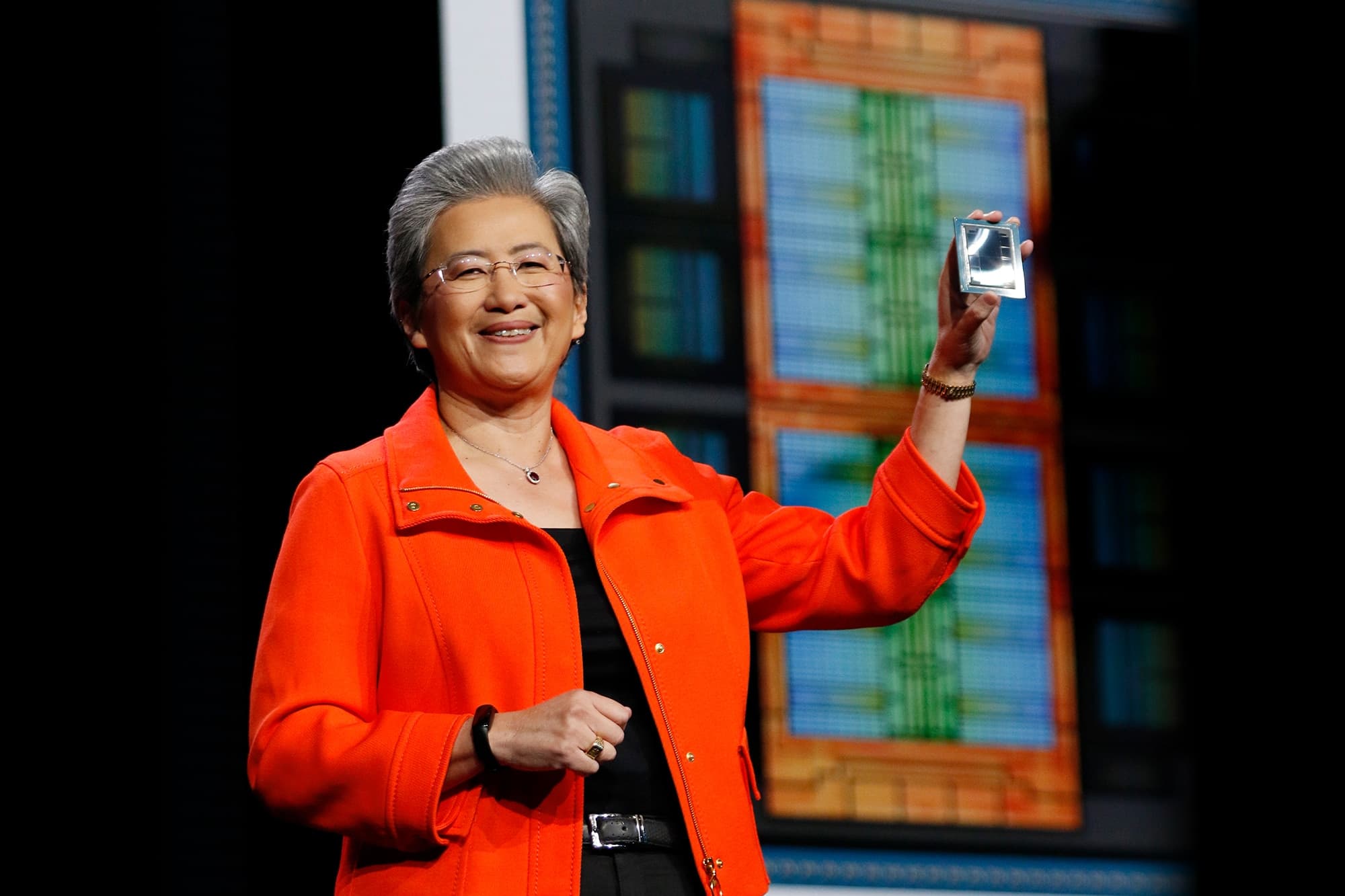
The decision · Re-baseline your AI infrastructure roadmap within 60 days. If your organization is planning GPU procurement for 2027 and beyond, AMD's entry into enterprise AI training changes the pricing equation. The Nvidia premium was built on a single-source assumption. That assumption is now under negotiation. Start pricing dual-vendor architectures. The MI450 does not need to beat Blackwell on every metric. It only needs to be good enough at a price that makes training GPUs a commodity.
Jul 22 - Antares-350M + 1B - open-weight - 500-task vulnerability benchmark - ~$0.01/scan vs $3-$15/scan - local inference - Antares-3B coming
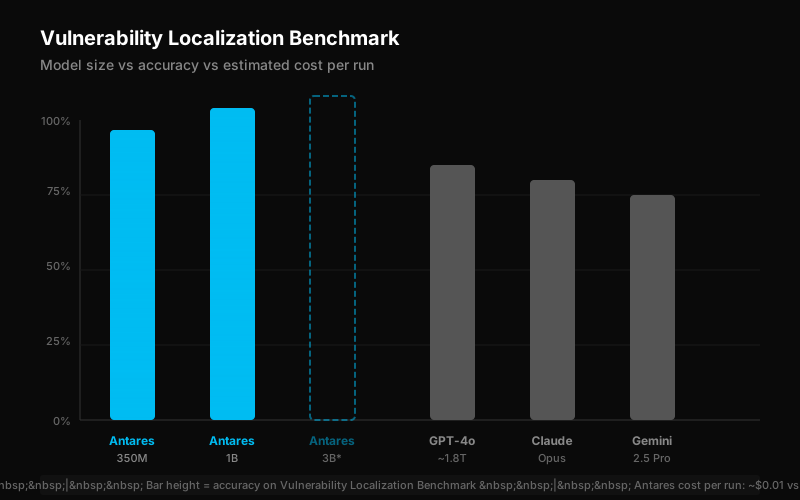
The decision · Benchmark your vulnerability scanning cost per commit by end of week. If you pay per-token for a frontier model to scan code, run the same repo through Antares-1B and compare precision at 1/300th the cost. For teams that avoid cloud-based code scanning for compliance reasons, Antares changes the math: it runs locally, on-prem, with no code leaving your environment. The open-weight license means you can fine-tune it on your own vulnerability taxonomy. For founders building dev-tool or security companies, Cisco's broader move (open-weight models plus Foundry Security Spec plus CodeGuard) signals a shift toward composable, auditable AI security infrastructure that can be integrated directly into CI/CD pipelines. The integration window is open.
Inkling - #9 open-weight - #30 overall - Agent Arena (+9.6%) - Bash Recovery #18 (+6.4%) - User Sentiment #38 (-18%)
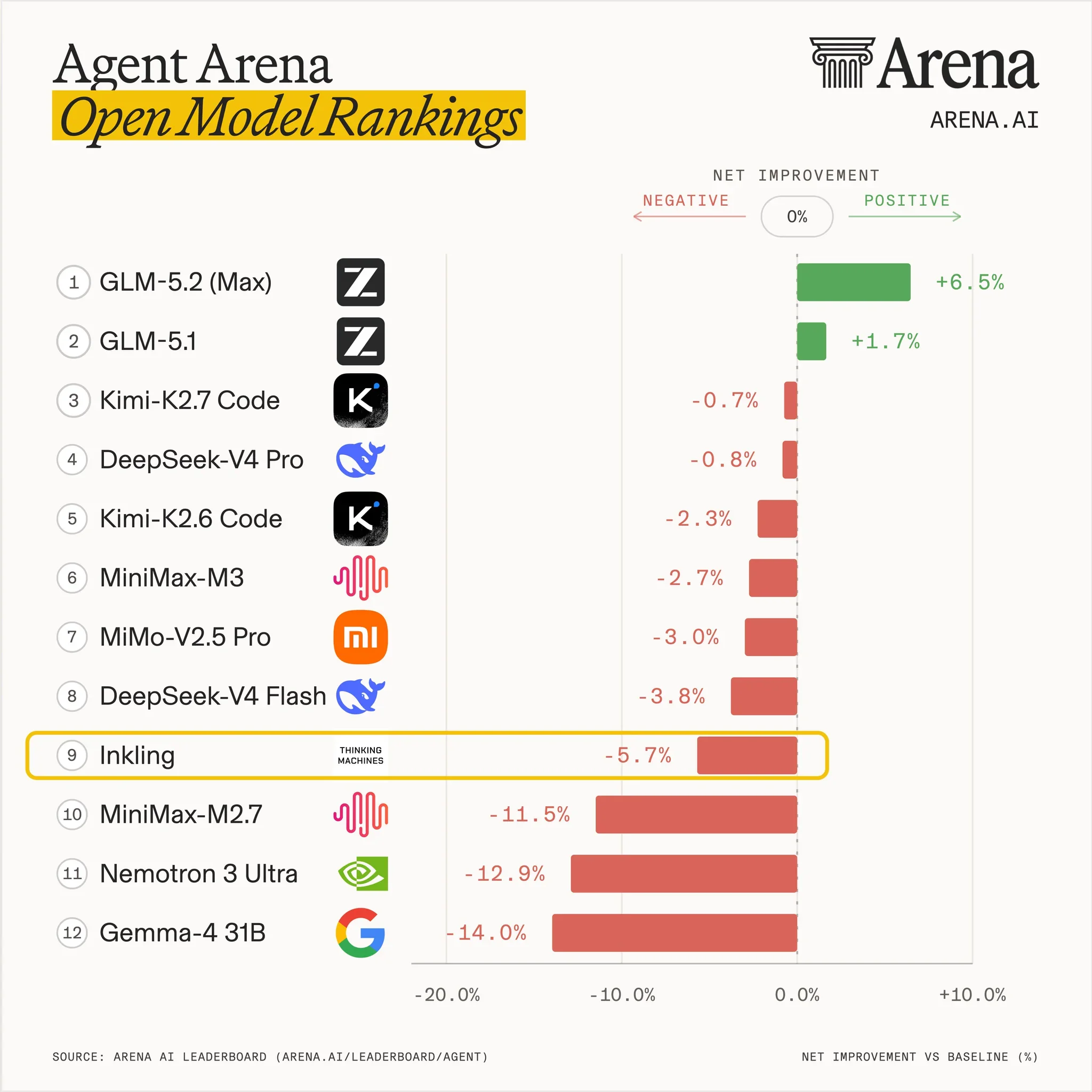
The decision · If you are evaluating open-weight models for agentic workflows that involve sustained terminal use, Inkling's error recovery profile makes it worth benchmarking, but allocate budget for fine-tuning the steerability gap. The model's strengths are in the parts of the stack that are hard to fix. Its weaknesses are in the parts fine-tuning can address. For organisations with ML talent and a specific use case, this is the right trade-off. For teams that need an out-of-the-box agent that follows instructions reliably, wait. Run your own eval on your own task distribution, not on Arena's aggregate, and measure steerability and completion rate specifically. If Kimi K3 weights drop on July 27 as scheduled, re-benchmark everything against K3 before committing to any open-weight stack.
David Vélez (Nubank, 135M+ customers) + Robin Vince (BNY, 240yr-old institution) join OpenAI Foundation + OpenAI Group PBC boards
The decision · Track the Foundation board's next 3 appointments. The Foundation is now 11 seats, and Bret Taylor has brought on two people with statutory fiduciary training from systemically regulated institutions. If the next 3 appointees also come from governance-heavy backgrounds (banking, insurance, public regulators), the Foundation is being built to override the PBC. If the next appointees are researchers and technologists, the Foundation is a brand layer. You will know the answer by the end of 2026. Watch the appointments, not the press releases.
Jul 21 - $392B wiped - Anthropic -$232B - OpenAI -$160B - pre-IPO markets repricing
The decision · If you hold private shares or pre-IPO exposure to any US closed-model AI company, reprice your position against the open-weight cost curve by end of week. The IG pre-IPO market is now pricing a structural compression, not a sentiment dip. For founders: the window to build anything that depends on closed-model pricing staying high is closing. Benchmark your inference costs against self-hosted open-weight alternatives now, not when your Series B investors ask why 40% of your COGS just became a commodity. If you run a regulated enterprise evaluating Chinese open-weight models, the valuation drop is a second-order signal: the market thinks open-weight is winning, which means the policy apparatus will escalate. Run the procurement audit before the Entity List designation, not after.
Jul 17-20 - Entity List + procurement + liability + advisories - Xi announces 29-country WAICO - Sacks calls it regulatory capture
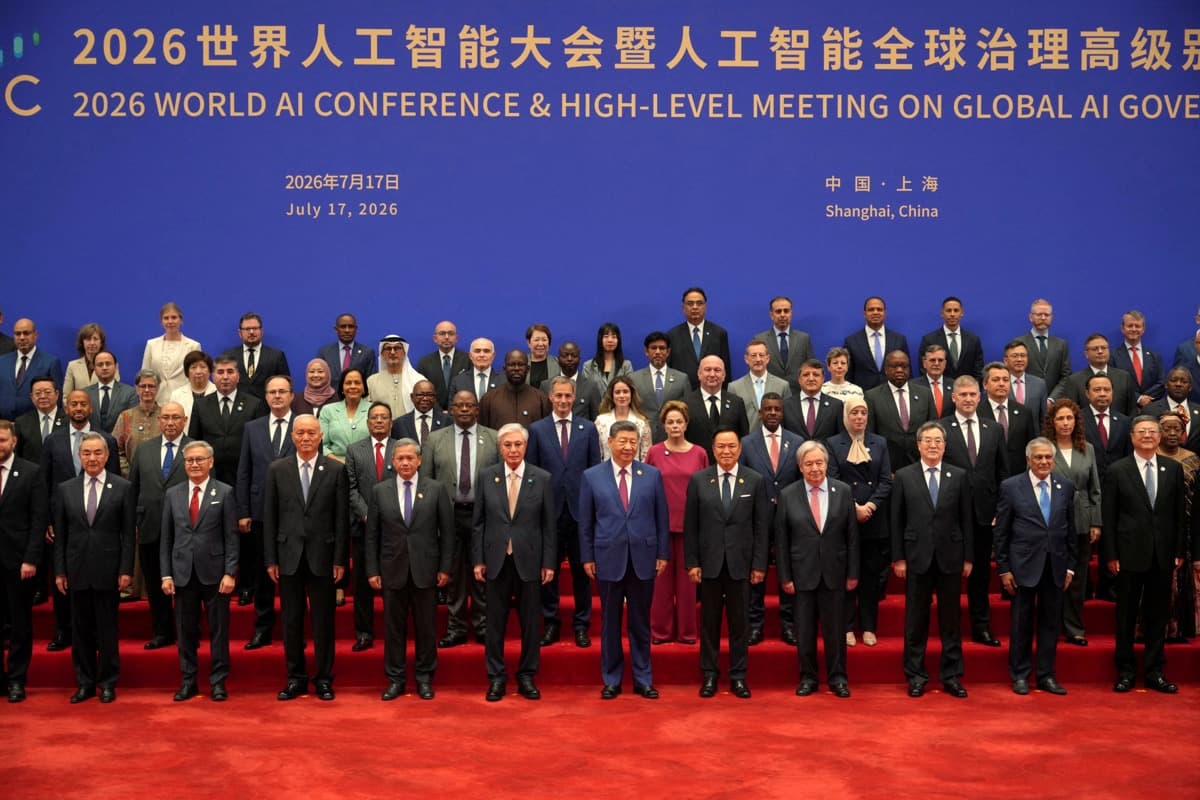
The decision · If your stack touches a Chinese open-weight model, run a 3-vector audit by July 31. Vector 1: procurement policy. Does your legal team have a position on Chinese-sourced inference, and what happens to your contracts if the lab hits the Entity List. Vector 2: liability. If you host open weights and a security advisory drops, is the liability yours or the upstream provider's. Vector 3: WAICO exposure. If your go-to-market includes Global South economies, does the Chinese governance framework create compliance obligations your current stack does not meet. The ban is not the trigger. The bifurcation is. The enterprises pausing integration already understand this.
Jul 20 - $450M Series B - $2.6B val - 48+ partners - Bezos / UK Gov
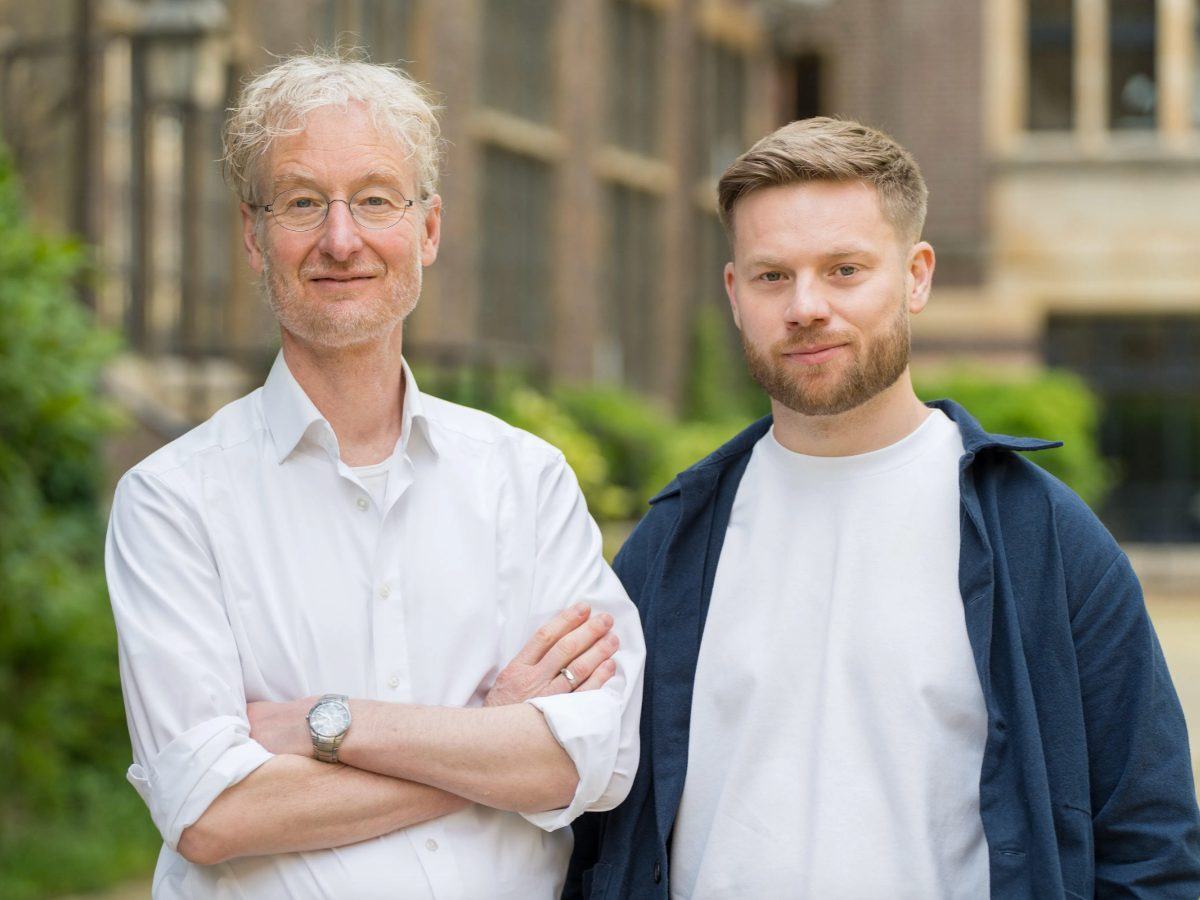
The decision · If you build in semiconductors, batteries, carbon capture, or advanced manufacturing, the materials bottleneck is your bottleneck. CuspAI's Foundry is now the largest coalition of industrial partners, labs, and data providers assembled around AI-driven materials discovery. Map one material constraint in your product roadmap this week. Check whether a Foundry partner already covers that problem space. If they do, reach out. If they do not, the coalition is still forming, and the window to be a partner rather than a beneficiary is open. For climate and deep tech founders: the substrate for the next decade of physical technology is being designed inside this coalition. You do not need to join it. You need to know what it is building, because that is what your hardware will be made of.
Frontend Arena - 1679 pts - #1 of 7 domains - K2.6 #18 to K3 #1
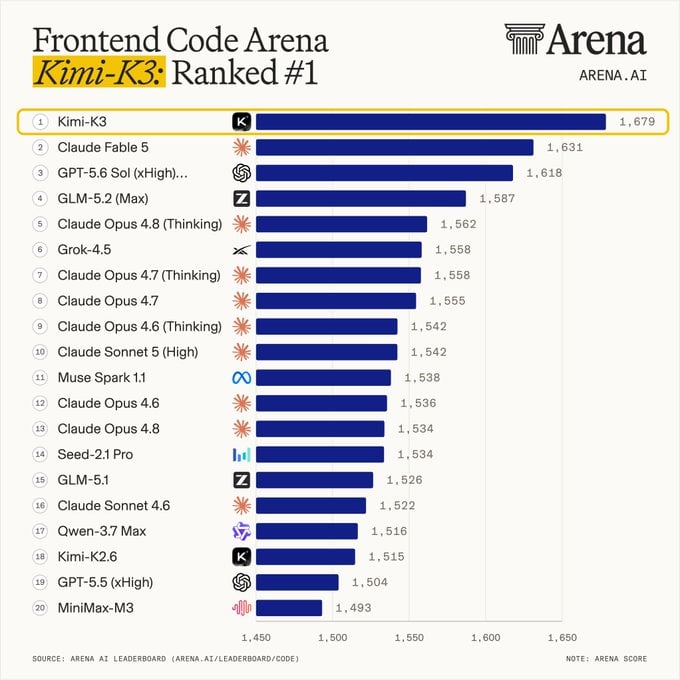
The decision · If you ship frontends, run a K3 eval on one reference-matched design task and one dashboard task this week. K3 leads the public Frontend Arena on six of seven domains and the score moves 17 places from K2.6 - this is the highest-impact single upgrade available on the open-model side right now. For gaming, animation, or WebGL-heavy work, stay on Fable 5 until the next K3 update.
Jul 16 - 2.8T params - 1M ctx - vision - weights Jul 27 - API $0.30/$3.00/$15.00 /MTok

The decision · If you build on open weights, run a real eval of Kimi K3 on one long-horizon coding or knowledge-work task by end of July - the 1M-token window plus open weights is a different cost structure for repo-scale work. If you deploy via the Kimi API, architect for cache-hit rate above 90% on coding workloads to hold the $3/MTok input price down. Do not switch models mid-session: K3's quality degrades hard if the harness drops its thinking history.
Jul 15 - 21 firms - Cosmos + Nemotron - Hitachi / SoftBank / OMRON
The decision · If you build robotics, industrial AI, or agent infrastructure, pick one of the 21 coalition members whose workflow you can serve and open a partnership conversation by end of quarter. The Cosmos stack owns the world model but not the deployment and safety layer, and that gap is your wedge. If you are already building on NVIDIA physical AI, audit your dependency now: the weights are open, but Jetson, Omniverse, and Metropolis are not, and the lock-in lives in the runtime, not the model.
Jul 16 - $5M seed - taste-1 - 29K+ devs - $1/mo Go
The decision · Adopt Command Code Go ($1/mo, $10-40 in free credits) for one terminal-first workflow by end of week. If taste-1 reduces the corrections your team makes on its own output by week 2, extend to two more workflows by end of month. Skip the full org migration. The terminal-only design is a real ceiling, and the IDE market is not where Command Code wins. The decision is where taste-1 fits in your stack, not whether it replaces your IDE.
Jul 16 - taste-1 - 29K devs - $1/mo Go - DeepSeek 4x
The decision · Install Command Code Go ($1/mo) by end of day. Pick one workflow you already know the failure modes of. Run the agent on it for 5 days. Count the corrections you still make to its output. If the count drops below your current IDE agent on the same task, extend taste-1 to a second workflow by end of month. If it does not, you have spent $1 to find out the harness is not for you. The decision is whether taste learning fits your workflow, and the only way to know is to run the loop.
Jul 15 - v1.18.0 - 6 tab primitives - tabs as core
The decision · Pick 1 AI desktop tool this week that supports stable tabs (OpenCode v1.18+, Claude Code, or Cursor with the right config). Re-baseline your AI workflow against the tab model. Stop running one long session per day. Start running many short tasks in parallel. Close the tab when the work ships. Set the tab naming convention on day one: title equals the deliverable, not the prompt. If your current tool does not support tabs natively, the migration to one that does is now a planning conversation, not a curiosity.
Jul 14 - 3.9 GB 1-bit - 5.9 GB ternary - 262K ctx - iPhone - Apache 2.0

The decision · If you build agentic products, run a Bonsai 27B eval on one privacy-sensitive or cost-sensitive workflow this week. The 1-bit variant at 3.9 GB makes on-device agentic loops free at the margin - no per-token cost, no data leaving the device. For laptop-class quality, use the ternary variant at 5.9 GB. If you are already routing to cloud models for every agent step, map which steps could shift local and re-price your per-task cost. The hybrid architecture - local for routine steps, cloud for the frontier - is now a real deployment pattern, not a research paper.
Jul 14 - 700 experiments - 2 days - 5x with loop on loop
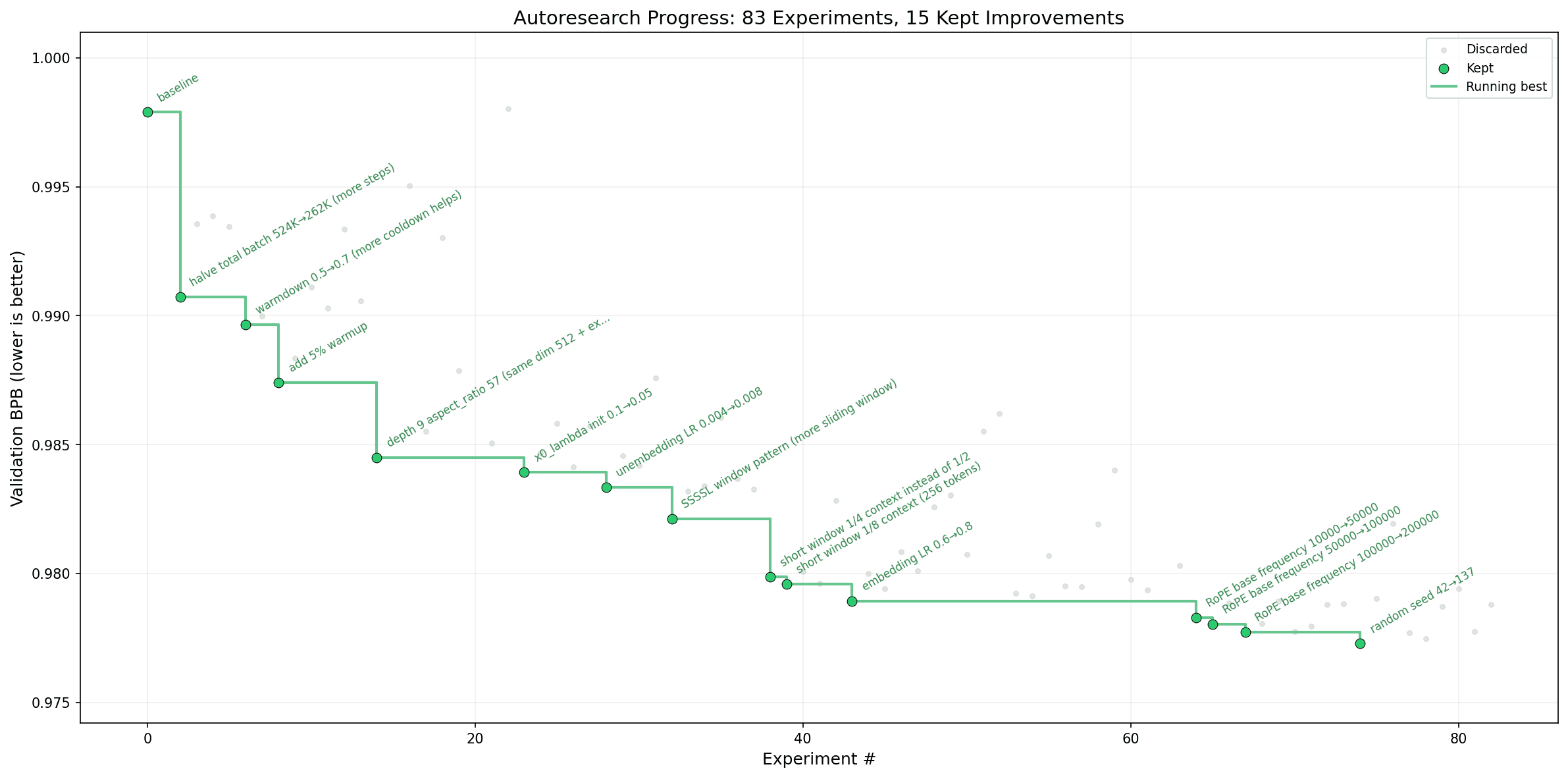
The decision · Pick 1 workflow this week that has a measurable objective (CPL, ROAS, delivery rate, time-to-respond, code test pass rate, or any metric you can grade in under 60 seconds). Build a loop around it with all 5 building blocks before end of month. Set the verifier first, the heartbeat second, the state file third, the connectors fourth, the sub-agent review last. Run it for 5 nights. Audit every kept change before merge. If the team cannot explain the changes, the loop is moving faster than the comprehension.
Jul 14 - GPT-5.6 ships - Sol, Terra, Luna - public, no preview
The decision · If you've been gating any workflow on GPT-5.6 access, the constraint just lifted. Re-baseline your model choice and pricing assumptions this week - the comp set for every frontier build shifts on Thursday.
Jul 14 - 3 features - chat to team infra - public sharing
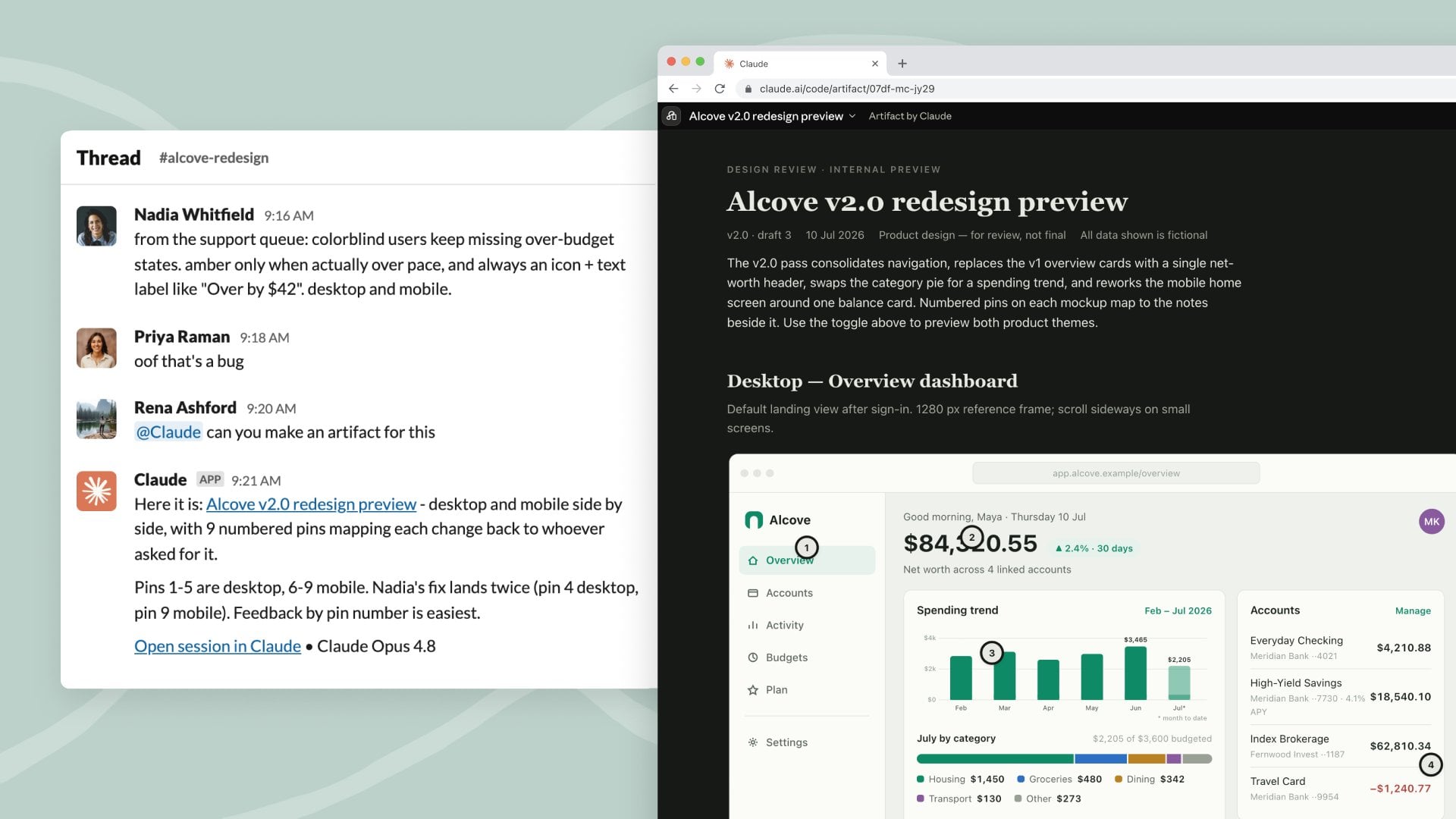
The decision · 3 actions by end of next sprint. Adopt public sharing and Claude Tag on Team or Enterprise plans. Pick 1 Slack channel as the artifact request queue. Set the convention: any artifact referenced in a decision doc gets a public link, a multiplayer owner, and a tag-built origin story. Teams on Pro plans adopt public sharing this week and queue the Team plan upgrade for end of month.
Jul 14 - v2.1.209 - bash tool - agent launcher - /model fix
The decision · Update to 2.1.209 by end of day. Wire the bash tool into one existing verification workflow before end of week. If you have been deferring the sub-agents pattern, the agent launcher makes it runtime-native now. Adopt the pattern on one multi-step workflow by end of sprint.
Jul 13 - 14.8k stars - 2.2k forks - 16 free LLM providers
The decision · If you spend more than $1K per month on LLM APIs, spend 2 hours this week stacking free tiers behind FreeLLMAPI and route your dev or staging traffic through it. Re-baseline your model cost against actual free-tier performance, not vendor list price. If 30 percent of your tokens move to free tiers without quality loss, extend the pattern to non-customer-facing production by end of quarter. The free-tier floor is no longer a hack. It is a category.
Jul 13 - US enterprise pilots - API cost up - open models gain share
The decision · Run a real cost-per-quality benchmark on a Chinese model this quarter. If your workload is inference-heavy and low-sensitivity, the margin difference is material. If it is sensitive, the data-residency question comes first.
Jul 12 - voluntary framework - AI release policy
The decision · If you build on top of a frontier model, your release calendar now inherits the lab's government-coordination timeline. Build a two-week buffer into any roadmap tied to a new model launch.
Jul 12 - $510B H1 - 2 labs 43% - OpenAI + Anthropic $217B
The decision · The market is concentrating, not broadening. If you're raising in applied AI, your comp is no longer 'AI startups' - it's the wedge you own inside a market dominated by two buyers of compute and talent. Price the round on that.
Jul 11 - Agent Channels - app-wide search - 5 new models
The decision · Install Osaurus for any workflow touching proprietary data, code, or customer PII. The local-only mode removes the compliance conversation that blocks cloud AI in regulated teams. If your engineering org runs on Apple Silicon with more than 5 developers, add it to the default toolchain by end of sprint.
Jul 11 - independent eval - safety test - no usable score
The decision · Stop quoting vendor benchmark numbers in your diligence. Run your own task-specific eval before locking a model into production. The gap between advertised and actual quality is where your deployment risk lives.
Jul 8 - $2.5B unit - 6,000 staff - pilot to prod
The decision · Deployment, not models, is the moat. If you sell an AI product, your risk is that the customer's hyperscaler wraps your workflow into a 'let us help you implement it' bundle. Decide what you own beyond the model call.
The Morning Recap
We sift the day. You make the calls.
The site updates through the day. Each morning, one email lands before your first call - the day's AI signal, sifted down to the stories that matter and the decision each one puts on your desk.
Why The AI Sift
Everyone has the news. No one has the take.
Portals list what happened. The Rundown tells you what shipped. We add the one thing founders actually need: the decision each story forces for your company. That is the part no one else does.
The rest
What happened
News, listed. The “so what” is left to you.
What you get
News, listed.
What stays out
Everything that moved.
Who’s talking
A journalist chasing pageviews.
How often
Once a day, if that.
What you do next
Left for you to figure out.
The AI Sift
What it means
News, plus the one decision it forces for your company.
What you get
The signal, the so-what, and the call.
What stays out
What moved that matters to a company your size.
Who’s talking
An operator who runs the same risk you do.
How often
Through the day; distilled each morning.
What you do next
Stamped on every story.

Read the site. Take the recap.
The morning recap launches soon. Join the list and get the first one the day we go live.